


- Afhalen na 1 uur in een winkel met voorraad
- Gratis thuislevering in België vanaf € 30
- Ruim aanbod met 7 miljoen producten
- Afhalen na 1 uur in een winkel met voorraad
- Gratis thuislevering in België vanaf € 30
- Ruim aanbod met 7 miljoen producten





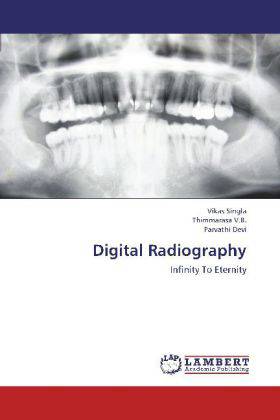
Digital Radiography
Infinity To Eternity
Vikas Singla, Thimmarasa V.B., Parvathi Devi
Paperback | Engels
€ 58,45
+ 116 punten
Omschrijving
The use of radiographs as a diagnostic tool has become an indispensable routine in medicine and dentistry. For a long time, since the discovery of X-rays, film has been the primary medium for capturing, displaying and storing radiographic images. But the advent of digital imaging in dental radiography has revolutionized the field of radiology. A number of forces are driving the shift from conventional film to digital systems. The digital imaging in dentistry has already been around for more than a decade and it has improved significantly. The future of digital imaging should continue to see the increased adoption of sensor technology and improvements in equipment. Although the details of the image in our crystal ball have yet to resolve, the trends of increasing adoption of digital imaging and continuing technologic innovation makes the future of digital imaging very promising in dentistry.
Specificaties
Betrokkenen
- Auteur(s):
- Uitgeverij:
Inhoud
- Aantal bladzijden:
- 160
- Taal:
- Engels
Eigenschappen
- Productcode (EAN):
- 9783659250125
- Uitvoering:
- Paperback
- Afmetingen:
- 150 mm x 220 mm


Alleen bij Standaard Boekhandel
+ 116 punten op je klantenkaart van Standaard Boekhandel
AANGERADEN


Beoordelingen
We publiceren alleen reviews die voldoen aan de voorwaarden voor reviews. Bekijk onze voorwaarden voor reviews.