


- Afhalen na 1 uur in een winkel met voorraad
- Gratis thuislevering in België vanaf € 30
- Ruim aanbod met 7 miljoen producten
- Afhalen na 1 uur in een winkel met voorraad
- Gratis thuislevering in België vanaf € 30
- Ruim aanbod met 7 miljoen producten





Omschrijving
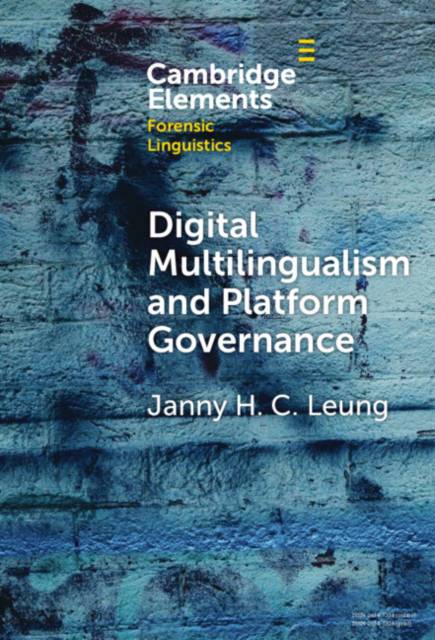
As custodians of global public discourse today, transnational tech platforms govern who may speak, to whom, and how. While they have helped document and revitalize minoritized languages and connect diasporic communities, they also make language-related decisions that can disproportionately disadvantage speakers of those languages. On platforms like Facebook, non-English users navigate a linguistic environment where content moderation is often severely under-resourced compared to that available to English speakers. They may not receive warnings about disinformation or disturbing content, may not be told about what rules apply, and may have their content wrongly removed - or violating content left untouched - because neither human moderators nor automated systems can understand their language. This Element examines forms of global linguistic justice that platforms create and reproduce, highlighting a critical yet underexplored dimension of structural inequality in contemporary platform governance. This title is also available as Open Access on Cambridge Core.
Specificaties
Betrokkenen
- Auteur(s):
- Uitgeverij:
Inhoud
- Aantal bladzijden:
- 86
- Taal:
- Engels
- Reeks:
Eigenschappen
- Productcode (EAN):
- 9781009862462
- Verschijningsdatum:
- 14/05/2026
- Uitvoering:
- Hardcover
- Formaat:
- Genaaid
- Afmetingen:
- 152 mm x 229 mm
- Gewicht:
- 285 g


Alleen bij Standaard Boekhandel
+ 248 punten op je klantenkaart van Standaard Boekhandel
Cadeau

AANGERADEN


Beoordelingen
We publiceren alleen reviews die voldoen aan de voorwaarden voor reviews. Bekijk onze voorwaarden voor reviews.