


- Afhalen na 1 uur in een winkel met voorraad
- Gratis thuislevering in België vanaf € 30
- Ruim aanbod met 7 miljoen producten
- Afhalen na 1 uur in een winkel met voorraad
- Gratis thuislevering in België vanaf € 30
- Ruim aanbod met 7 miljoen producten





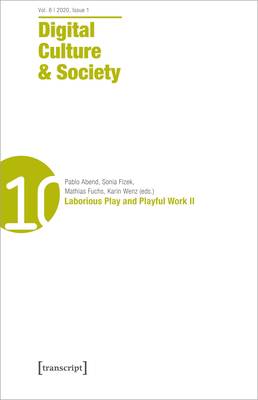
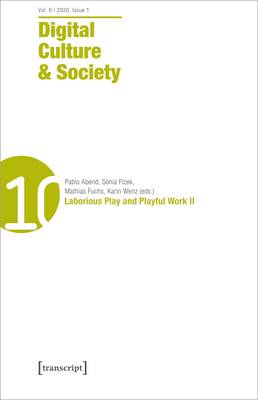
Digital Culture & Society (Dcs)
Laborious Play and Playful Work II
Pablo Abend, Sonia Fizek, Mathias Fuchs, Karin Wenz
€ 29,95
+ 59 punten
Uitvoering
Omschrijving
The issue on Playful Work is the second part of the double issue of Digital Culture & Society Laborious Play and Playful Work. The double issue addresses the complex thematic field of play and labour dialectics. The articles take a closer look at the problem of play and work from two overlapping, albeit non-mutually exclusive, perspectives: laborious play and playful work. With these terms we want to focus hybrid practices, phenomena and situations beyond the work-play dichotomy. After focusing on leisure activities turning into laborious ones, this second issue looks at playful work. The concept of playful works includes promises of a joyful and rewarding working experience which have been promoted as gamification. »Playful work« can be related to the concept of ludification of culture, embedded in cultural transformations he observed as part of the digital.
Specificaties
Betrokkenen
- Auteur(s):
- Uitgeverij:
Inhoud
- Aantal bladzijden:
- 200
- Taal:
- Engels
- Reeks:
Eigenschappen
- Productcode (EAN):
- 9783837649550
- Verschijningsdatum:
- 30/04/2021
- Uitvoering:
- Paperback
- Formaat:
- Trade paperback (VS)
- Afmetingen:
- 170 mm x 244 mm
- Gewicht:
- 349 g


Alleen bij Standaard Boekhandel
+ 59 punten op je klantenkaart van Standaard Boekhandel
Cadeau

AANGERADEN


Beoordelingen
We publiceren alleen reviews die voldoen aan de voorwaarden voor reviews. Bekijk onze voorwaarden voor reviews.