


- Afhalen na 1 uur in een winkel met voorraad
- Gratis thuislevering in België vanaf € 30
- Ruim aanbod met 7 miljoen producten
- Afhalen na 1 uur in een winkel met voorraad
- Gratis thuislevering in België vanaf € 30
- Ruim aanbod met 7 miljoen producten





€ 195,45
+ 390 punten
Omschrijving
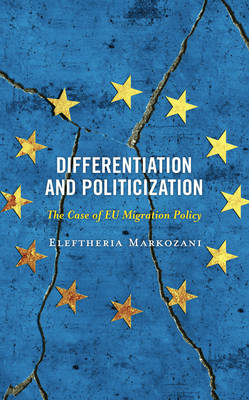
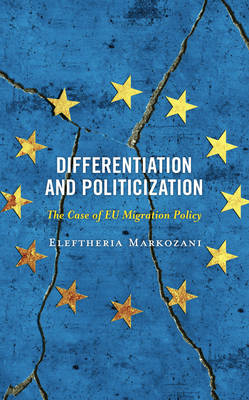
Differentiation and Politicization: The Case of EU Migration Policy examines the implementation of differentiated integration in EU migration and asylum policy. The research seeks to expand and deepen on the conceptual and factual interaction among core state powers, politicization, the rise of Euroscepticism, the public constraining dissent and the application of different forms of polarity within EU legal framework. Eleftheria Markozani argues that growing Euroscepticism may not only generate the application of opt-outs of particular member states, as previous research has also shown. Instead, she supports that the coincidental increase of politicization of a policy field and Euroscepticism in many member states can provoke the introduction of other forms of polarity, such as flexibility, in EU legal rules. The study begins with the cases of UK and Denmark, outlining the way that the mobilization of exclusive national identities raises the demand for differentiation. However, it, continues with the introduction of flexibility in the Commission's proposals on the 2020 New Pact on Migration, through the lens of the aggregated level of politicization and the rise of right-wing Eurosceptic parties in many states of EU. While the treaty opt-outs have been related with Euroscepticism since the Maastricht Treaty through the polarization provoked by referendums and elections, the 2015 refugee crisis resulted in the EU institutions' endorsement of flexibility within the Dublin system, a secondary legal rule.
Specificaties
Betrokkenen
- Auteur(s):
- Uitgeverij:
Inhoud
- Aantal bladzijden:
- 250
- Taal:
- Engels
- Reeks:
Eigenschappen
- Productcode (EAN):
- 9781666909227
- Verschijningsdatum:
- 20/03/2024
- Uitvoering:
- Hardcover
- Formaat:
- Genaaid
- Afmetingen:
- 152 mm x 229 mm
- Gewicht:
- 535 g


Alleen bij Standaard Boekhandel
+ 390 punten op je klantenkaart van Standaard Boekhandel
AANGERADEN


Beoordelingen
We publiceren alleen reviews die voldoen aan de voorwaarden voor reviews. Bekijk onze voorwaarden voor reviews.