


- Afhalen na 1 uur in een winkel met voorraad
- Gratis thuislevering in België vanaf € 30
- Ruim aanbod met 7 miljoen producten
- Afhalen na 1 uur in een winkel met voorraad
- Gratis thuislevering in België vanaf € 30
- Ruim aanbod met 7 miljoen producten





€ 34,95
+ 69 punten
Omschrijving
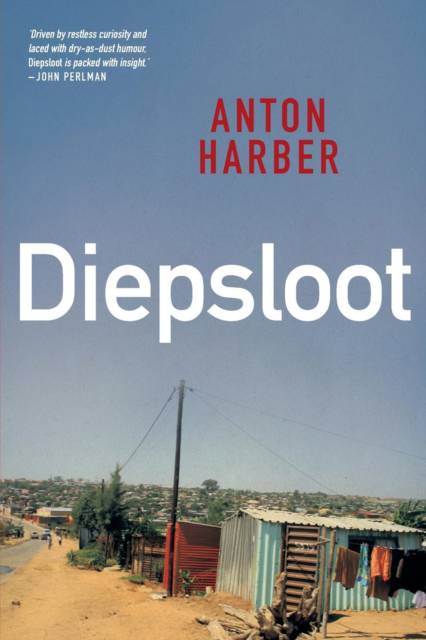
"In little more than a decade, Diepsloot has transformed from a semi-rural expanse to a dense, seething settlement of about 200 000 people. A post-apartheid creation lying to the north of Johannesburg, Diepsloot is talked about as a place of fear, vigilante justice, xenophobic violence and a haven for criminals and undocumented foreigners. Respected journalist Anton Harber spent several months there, meeting the people, drinking in the taverns and probing the bitter local political battles. He patrolled with volunteer crime-fighters at night. He spoke to politicians, church members and artists. He interviewed city officials, asking them why so little progress was being made in developing Diepsloot. He investigated why the much-needed police station stands unfinished. Amidst the poverty, violence and chaos, he found a bustling place much loved by its inhabitants, and an active economy with all the associated hustling and trading. He found people who, when neglected by the state, made their own solutions. "
Specificaties
Betrokkenen
- Auteur(s):
- Uitgeverij:
Inhoud
- Aantal bladzijden:
- 240
- Taal:
- Engels
Eigenschappen
- Productcode (EAN):
- 9781868424214
- Verschijningsdatum:
- 4/05/2014
- Uitvoering:
- Paperback
- Formaat:
- Trade paperback (VS)
- Afmetingen:
- 152 mm x 231 mm
- Gewicht:
- 317 g


Alleen bij Standaard Boekhandel
+ 69 punten op je klantenkaart van Standaard Boekhandel
CADEAU

AANGERADEN


Beoordelingen
We publiceren alleen reviews die voldoen aan de voorwaarden voor reviews. Bekijk onze voorwaarden voor reviews.