


- Afhalen na 1 uur in een winkel met voorraad
- Gratis thuislevering in België vanaf € 30
- Ruim aanbod met 7 miljoen producten
- Afhalen na 1 uur in een winkel met voorraad
- Gratis thuislevering in België vanaf € 30
- Ruim aanbod met 7 miljoen producten





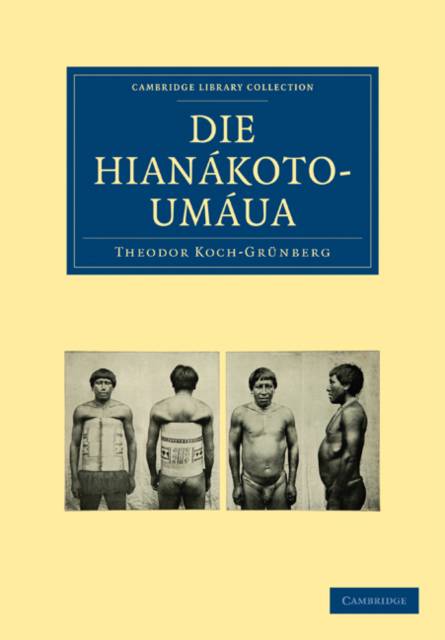
Die Hianákoto-Umáua
Theodor Koch-Grünberg
€ 22,45
+ 44 punten
Omschrijving
Die Hianákoto-Umáua, first published in 1908, is Theodor Koch-Grünberg's illustrated account of the expedition he made together with other scientists to Northern Brazil in the years 1903-1905. The German researcher, a pioneer in the field of South American ethnology, describes his encounters with the indigenous people who lived in the region of the Japurá River and the Rio Negro. The Omagua tribe had lived there before the Spanish conquest of South America in the sixteenth century. Koch-Grünberg explains that although the words Omagua and Umáua are alike, the sixteenth-century Omagua tribe was culturally and linguistically quite distinct from the Umáua tribe he himself met. The main focus of the book is a systematic record of the vocabulary of the Umáua tribe based upon the author's own observations. He lists words relating to a variety of topics including body parts, medicine and religion.
Specificaties
Betrokkenen
- Auteur(s):
- Uitgeverij:
Inhoud
- Aantal bladzijden:
- 124
- Taal:
- Duits
- Reeks:
Eigenschappen
- Productcode (EAN):
- 9781108006705
- Verschijningsdatum:
- 26/11/2009
- Uitvoering:
- Paperback
- Formaat:
- Trade paperback (VS)
- Afmetingen:
- 170 mm x 244 mm
- Gewicht:
- 208 g


Alleen bij Standaard Boekhandel
+ 44 punten op je klantenkaart van Standaard Boekhandel
Cadeau

AANGERADEN


Beoordelingen
We publiceren alleen reviews die voldoen aan de voorwaarden voor reviews. Bekijk onze voorwaarden voor reviews.