


- Afhalen na 1 uur in een winkel met voorraad
- Gratis thuislevering in België vanaf € 30
- Ruim aanbod met 7 miljoen producten
- Afhalen na 1 uur in een winkel met voorraad
- Gratis thuislevering in België vanaf € 30
- Ruim aanbod met 7 miljoen producten




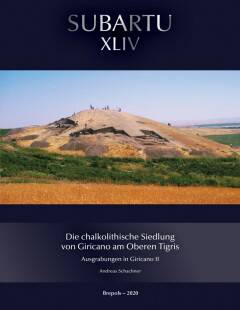
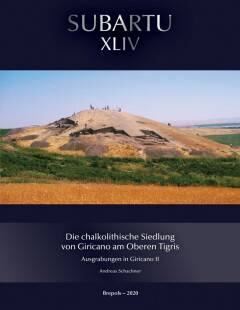
Die chalkolithische Siedlung von Giricano am Oberen Tigris
Die Ausgrabungen in Giricano II
Andreas Schachner
€ 84,80
+ 169 punten
Omschrijving
The late Chalcolithic settlement layers at Giricano provide an uninterrupted overview of the cultural development in the Upper Tigris valley from the Ubaid period to the first half of the 3rd millennium BC. The material culture of the settlement, which was founded in the Late Chalcolithic (LC) 1, shows that the culture documented mainly in what is now northern Iraq spread as far as the foothills of the Taurus mountains. Shortly before the turn of the 4th to the 3rd millennium BC, the settlement reached the peak of its development in phase LC 5, documented by a monumental building that was probably destroyed in an earthquake. There was a much diminished re-occupation of the site in the Ninevite 5 period before the site was abandoned. This presentation traces the development of the architecture, ceramics and small finds at Giricano. It is supplemented by a discussion of the settlement's integration into supra-regional cultural developments.
Specificaties
Betrokkenen
- Auteur(s):
- Uitgeverij:
Inhoud
- Aantal bladzijden:
- 226
- Taal:
- Duits
- Reeks:
- Reeksnummer:
- nr. 44
Eigenschappen
- Productcode (EAN):
- 9782503575360
- Verschijningsdatum:
- 24/06/2020
- Uitvoering:
- Paperback
- Formaat:
- Trade paperback (VS)
- Gewicht:
- 1359 g


Alleen bij Standaard Boekhandel
+ 169 punten op je klantenkaart van Standaard Boekhandel
AANGERADEN


Beoordelingen
We publiceren alleen reviews die voldoen aan de voorwaarden voor reviews. Bekijk onze voorwaarden voor reviews.