


- Afhalen na 1 uur in een winkel met voorraad
- Gratis thuislevering in België vanaf € 30
- Ruim aanbod met 7 miljoen producten
- Afhalen na 1 uur in een winkel met voorraad
- Gratis thuislevering in België vanaf € 30
- Ruim aanbod met 7 miljoen producten




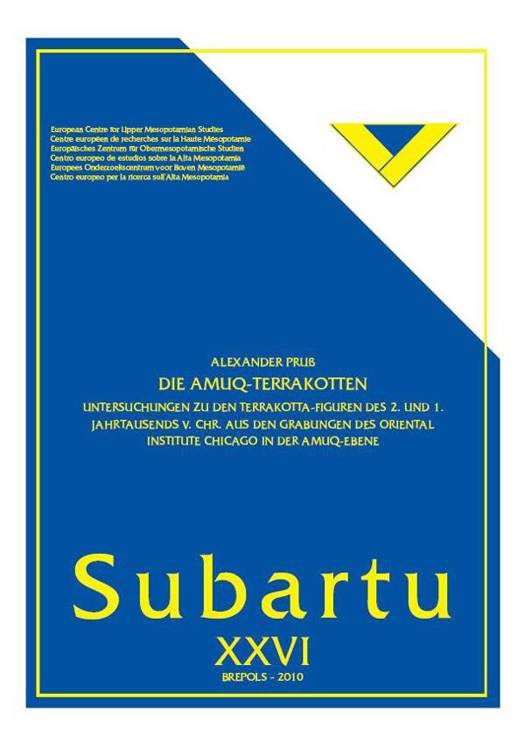
Die Amuq-Terrakotten. Untersuchungen zu den Terrakotta-Figuren des 2. und 1. Jahrtausends v. Chr. aus den Grabungen des Oriental Institute Chicago in der Amuq-Ebene
Untersuchungen Zu Den Terrakotta-Figuren Des 2. Und 1. Jahrtausends V. Chr. Aus Den Grabungen Des Oriental Institute Chicago in Der Amuq-Ebene
Alexander Pruss
€ 79,50
+ 159 punten
Omschrijving
This volume presents 569 objects of baked clay from three sites in the Amuq Plain (southern Turkey). They were excavated in the 1930ies by a team from the Oriental Institute of the University of Chicago, directed by Robert J. Braidwood. Most of them were never published before. Their dates range from the late 3rd millennium BC until the Hellenistic period. The terra-cottas are presented in a catalogue, but also set in a frame of their cultural and artistic background. This book is thus not only a publication of material from the Amuq excavations, but also a history of 2nd and 1st millennium terra-cotta production in ancient Syria. The study of these figurines highlights the extent and limitations of iconographic influences from abroad and proves the continuity of images and beliefs across the borders of cultural periods.
Specificaties
Betrokkenen
- Auteur(s):
- Uitgeverij:
Inhoud
- Aantal bladzijden:
- 469
- Taal:
- Duits
- Reeks:
- Reeksnummer:
- nr. 26
Eigenschappen
- Productcode (EAN):
- 9782503535272
- Verschijningsdatum:
- 21/10/2010
- Uitvoering:
- Paperback
- Formaat:
- Trade paperback (VS)
- Gewicht:
- 538 g


Alleen bij Standaard Boekhandel
+ 159 punten op je klantenkaart van Standaard Boekhandel
AANGERADEN


Beoordelingen
We publiceren alleen reviews die voldoen aan de voorwaarden voor reviews. Bekijk onze voorwaarden voor reviews.