


- Afhalen na 1 uur in een winkel met voorraad
- Gratis thuislevering in België vanaf € 30
- Ruim aanbod met 7 miljoen producten
- Afhalen na 1 uur in een winkel met voorraad
- Gratis thuislevering in België vanaf € 30
- Ruim aanbod met 7 miljoen producten





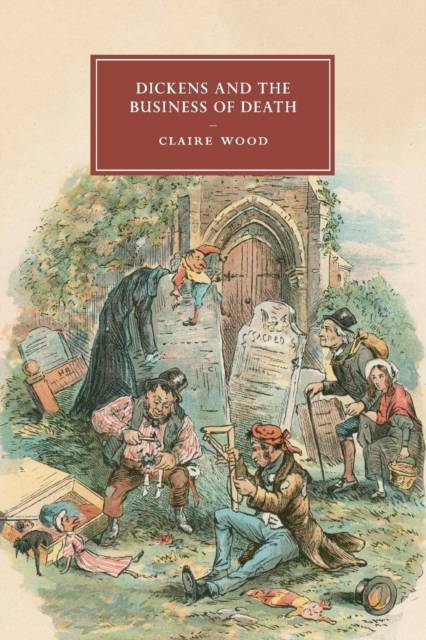
Dickens and the Business of Death
Claire Wood
€ 67,95
+ 135 punten
Omschrijving
Charles Dickens is famous for his deathbed scenes, but these have rarely been examined within the context of his ambivalence towards the Victorian commodification of death. Dickens repeatedly criticised ostentatious funeral and mourning customs, and asserted the harmful consequences of treating the corpse as an object of speculation rather than sympathy. At the same time, he was fascinated by those who made a living from death and recognised that his authorial profits implicated him in the same trade. This book explores how Dickens turned mortality into the stuff of life and art as he navigated a thriving culture of death-based consumption. It surveys the diverse ways in which death became a business, from body-snatching, undertaking, and joint-stock cemetery companies, to the telling and selling of stories. This broad study offers fresh perspectives on death in The Old Curiosity Shop and Our Mutual Friend, and discusses lesser-known works and textual illustrations.
Specificaties
Betrokkenen
- Auteur(s):
- Uitgeverij:
Inhoud
- Aantal bladzijden:
- 244
- Taal:
- Engels
- Reeks:
- Reeksnummer:
- nr. 98
Eigenschappen
- Productcode (EAN):
- 9781107491557
- Verschijningsdatum:
- 13/07/2017
- Uitvoering:
- Paperback
- Formaat:
- Trade paperback (VS)
- Afmetingen:
- 152 mm x 229 mm
- Gewicht:
- 331 g


Alleen bij Standaard Boekhandel
+ 135 punten op je klantenkaart van Standaard Boekhandel
Cadeau

AANGERADEN


Beoordelingen
We publiceren alleen reviews die voldoen aan de voorwaarden voor reviews. Bekijk onze voorwaarden voor reviews.