


- Afhalen na 1 uur in een winkel met voorraad
- Gratis thuislevering in België vanaf € 30
- Ruim aanbod met 7 miljoen producten
- Afhalen na 1 uur in een winkel met voorraad
- Gratis thuislevering in België vanaf € 30
- Ruim aanbod met 7 miljoen producten





€ 79,45
+ 158 punten
Omschrijving
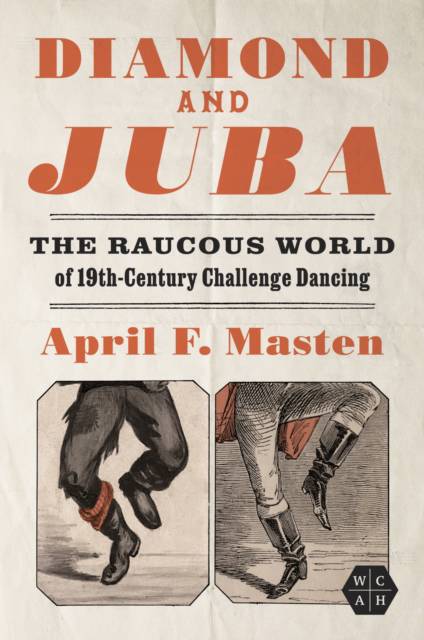
During the tumultuous years before the Civil War, Irish American John Diamond and African American William Henry Lane, known as Juba, became internationally famous as competitors in the art and sport of challenge dancing. April F. Masten's dual biography reconstructs the lives and work of these extraordinary dancers, casting fresh light on their contributions to the history of American popular culture. Challenge dancing was born from Black-Irish social interaction in the dockside markets, taverns, and theaters of antebellum New York. Promoted as a masculine art with close ties to boxing, it featured prolific gambling, hefty purses, and championship belts, yet also included women competitors, cross-dressing, and blackface. The astonishing jigs of its foremost practitioners attracted huge audiences across northeastern port cities, along Mississippi Valley circus routes, and into England's provincial music halls. Diamond and Juba's rivalry and parallel careers provide a rare glimpse into Black and immigrant strivings in an expanding nation keen for talent yet divided by prejudice. A vivid portrait of a forgotten world, Diamond and Juba tells the intertwined stories of two legendary performers.
Specificaties
Betrokkenen
- Auteur(s):
- Uitgeverij:
Inhoud
- Aantal bladzijden:
- 360
- Taal:
- Engels
- Reeks:
Eigenschappen
- Productcode (EAN):
- 9780252046797
- Verschijningsdatum:
- 9/12/2025
- Uitvoering:
- Hardcover
- Formaat:
- Genaaid
- Afmetingen:
- 156 mm x 235 mm
- Gewicht:
- 453 g



Alleen bij Standaard Boekhandel
+ 158 punten op je klantenkaart van Standaard Boekhandel
Cadeau

AANGERADEN


Beoordelingen
We publiceren alleen reviews die voldoen aan de voorwaarden voor reviews. Bekijk onze voorwaarden voor reviews.