


- Afhalen na 1 uur in een winkel met voorraad
- Gratis thuislevering in België vanaf € 30
- Ruim aanbod met 7 miljoen producten
- Afhalen na 1 uur in een winkel met voorraad
- Gratis thuislevering in België vanaf € 30
- Ruim aanbod met 7 miljoen producten





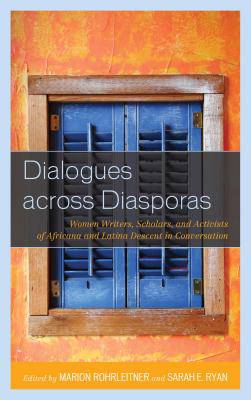
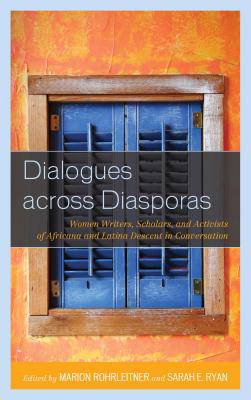
Dialogues Across Diasporas
Women Writers, Scholars, and Activists of Africana and Latina Descent in Conversation
€ 115,45
+ 230 punten
Omschrijving
Dialogues Across Diasporas focuses on the shared historical legacies of members of the Africana and Latina diasporas, and the cultural impact of the African diaspora in the Americas. This book seeks to emphasize connections rather than divisions among different migratory ethnic communities via a reconfiguration of borders and ethnic identities. This collection of essays has three major goals: first, to foreground shared themes and strategies in the literary productions of women of Africana and Latina/o descent; second, to highlight the importance of the arts for community activism within shared diasporic spaces; and third, to illustrate the potential of artistic and activist collaborations among women from both groups across disciplinary, political, national, and ethnic divides. Dialogues across Diasporas is divided into three sections. The first section provides a theoretical overview of diasporic migrations, politics, and identities. It argues that diverse diasporas can unite around shared political and cultural experiences such as converting contested spaces into communities and resisting rhetorics of exclusion. The second section demonstrates the diverse ways in which migratory women and daughters of the diaspora frame their histories, lived experiences, and different forms of knowledge via poetry, short stories, academic essays, and other art forms. The third section focuses on women's activism, suggesting opportunities for collaboration among and between diverse diasporic communities.
Specificaties
Betrokkenen
- Uitgeverij:
Inhoud
- Aantal bladzijden:
- 302
- Taal:
- Engels
- Reeks:
Eigenschappen
- Productcode (EAN):
- 9781498511605
- Verschijningsdatum:
- 26/02/2015
- Uitvoering:
- Paperback
- Formaat:
- Trade paperback (VS)
- Afmetingen:
- 152 mm x 226 mm
- Gewicht:
- 453 g

Alleen bij Standaard Boekhandel
+ 230 punten op je klantenkaart van Standaard Boekhandel
Cadeau

AANGERADEN


Beoordelingen
We publiceren alleen reviews die voldoen aan de voorwaarden voor reviews. Bekijk onze voorwaarden voor reviews.