


- Afhalen na 1 uur in een winkel met voorraad
- Gratis thuislevering in België vanaf € 30
- Ruim aanbod met 7 miljoen producten
- Afhalen na 1 uur in een winkel met voorraad
- Gratis thuislevering in België vanaf € 30
- Ruim aanbod met 7 miljoen producten





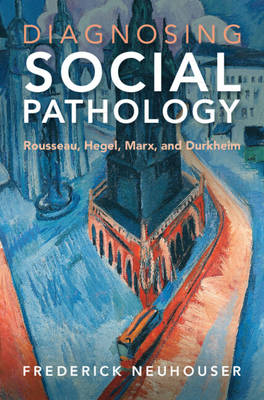
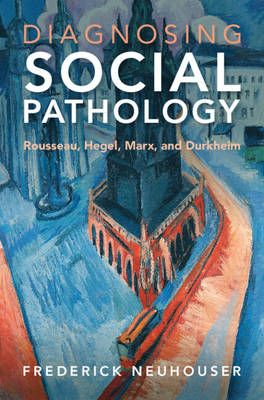
Diagnosing Social Pathology
Rousseau, Hegel, Marx, and Durkheim
Frederick Neuhouser
Hardcover | Engels
€ 63,45
+ 126 punten
Uitvoering
Eenvoudig bestellen
Veilig betalen


Gratis thuislevering vanaf € 30 (via bpost)
Gratis levering in je Standaard Boekhandel
Omschrijving
Can a human society suffer from illness like a living thing? And if so, how does such a malaise manifest itself? In this thought-provoking book, Fred Neuhouser explains and defends the idea of social pathology, demonstrating what it means to describe societies as 'ill', or 'sick', and why we are so often drawn to conceiving of social problems as ailments or maladies. He shows how Rousseau, Hegel, Marx, and Durkheim - four key philosophers who are seldom taken to constitute a 'tradition' - deploy the idea of social pathology in comparable ways, and then explores the connections between societal illnesses and the phenomena those thinkers made famous: alienation, anomie, ideology, and social dysfunction. His book is a rich and compelling illumination of both the idea of social disease and the importance it has had, and continues to have, for philosophical views of society.
Specificaties
Betrokkenen
- Auteur(s):
- Uitgeverij:
Inhoud
- Aantal bladzijden:
- 386
- Taal:
- Engels
Eigenschappen
- Productcode (EAN):
- 9781009235037
- Verschijningsdatum:
- 27/10/2022
- Uitvoering:
- Hardcover
- Formaat:
- Genaaid
- Afmetingen:
- 150 mm x 230 mm
- Gewicht:
- 680 g


Alleen bij Standaard Boekhandel
+ 126 punten op je klantenkaart van Standaard Boekhandel
CADEAU

AANGERADEN


Beoordelingen
We publiceren alleen reviews die voldoen aan de voorwaarden voor reviews. Bekijk onze voorwaarden voor reviews.