


- Afhalen na 1 uur in een winkel met voorraad
- Gratis thuislevering in België vanaf € 30
- Ruim aanbod met 7 miljoen producten
- Afhalen na 1 uur in een winkel met voorraad
- Gratis thuislevering in België vanaf € 30
- Ruim aanbod met 7 miljoen producten





€ 89,95
+ 179 punten
Uitvoering
Omschrijving
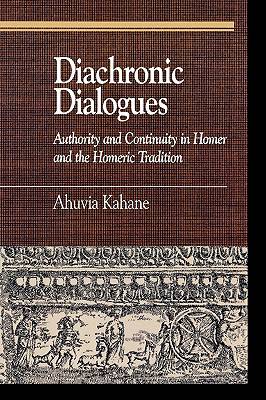
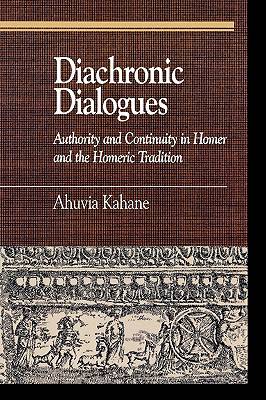
In Diachronic Dialogues: Authority and Continuity in Homer and the Homeric Tradition author Ahuvia Kahane considers central aspects of Homer's poetry, such as truth, knowledge, gender, virtue and the heroic code, authorship, memory and song, diction and formula. This book makes the case for performative, rather than essential values in the Illiad and the Odyssey. On the one hand performativity allows Homeric epic form to enact diverse claims and agendas in specific historical, cultural, and political contexts. On the other hand, the performative character of Homer's values implies radical resistance to fixity of reference, forms of meaning, and patterning, etc. No individual performers or group of historical interpreters can thus claim exclusive authority over the song and its contents i.e. over its truth, knowledge, social codes, its diction, authorship, etc. The interaction of diversity and radical resistance marks the traditional and canonical icon we call "Homeric epic." It is a shared record of many pasts open to all but exclusive to none. Performativity may be a general quality of all poetic discourse, or indeed of language itself. Nevertheless, this study suggests that in historical terms Homeric poetry has been, and perhaps still is, one of the most prominent sites for exercising tradition and claims of cultural continuity. Diachronic Dialogues is an essential addition to scholarship in literary criticism and the classics.
Specificaties
Betrokkenen
- Auteur(s):
- Uitgeverij:
Inhoud
- Aantal bladzijden:
- 274
- Taal:
- Engels
- Reeks:
Eigenschappen
- Productcode (EAN):
- 9780739111345
- Verschijningsdatum:
- 27/12/2005
- Uitvoering:
- Paperback
- Formaat:
- Trade paperback (VS)
- Afmetingen:
- 173 mm x 229 mm
- Gewicht:
- 467 g


Alleen bij Standaard Boekhandel
+ 179 punten op je klantenkaart van Standaard Boekhandel
Cadeau

AANGERADEN


Beoordelingen
We publiceren alleen reviews die voldoen aan de voorwaarden voor reviews. Bekijk onze voorwaarden voor reviews.