


- Afhalen na 1 uur in een winkel met voorraad
- Gratis thuislevering in België vanaf € 30
- Ruim aanbod met 7 miljoen producten
- Afhalen na 1 uur in een winkel met voorraad
- Gratis thuislevering in België vanaf € 30
- Ruim aanbod met 7 miljoen producten





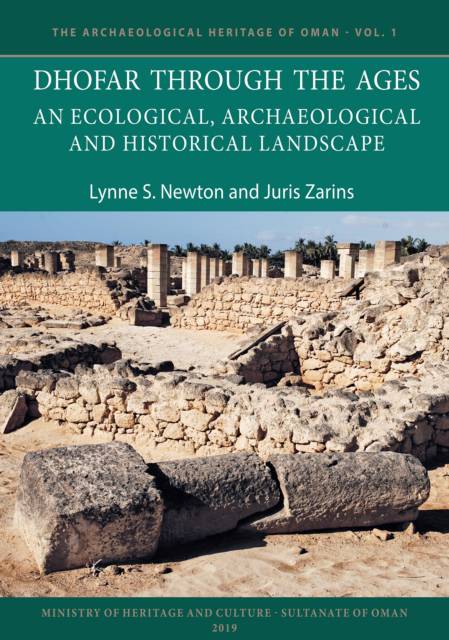
Dhofar Through the Ages
An Ecological, Archaeological and Historical Landscape
Lynne S Newton, Juris Zarins
€ 47,45
+ 94 punten
Omschrijving
Dhofar, the southern governorate of Oman, lies within a distinctive ecological zone due to the summer Southwest Monsoon. It is home to numerous indigenous succulent plants, the most famous of which is frankincense (Boswellia sacra). The region, tied in the past to both Oman and Yemen, has a long and distinguished archaeological past stretching back to the Lower Paleolithic ca. 1.5 my BP. Dhofar is also home to a distinctive people, the Modern South Arabian Languages speakers (MSAL) since at least the last 15,000 years. Ancient Zafar (Al-Habudi), now called Al-Baleed, and its successor Salalah was and is the province's largest city. From the seventh century onwards until the arrival of the Portuguese in 1504 AD Al-Baleed dominated the central southern Arabian coastline politically and economically. Archaeological surveys and excavations in the governorate, beginning in 1954, have brought to light Dhofar's ancient past.
Specificaties
Betrokkenen
- Auteur(s):
- Uitgeverij:
Inhoud
- Aantal bladzijden:
- 148
- Taal:
- Engels
- Reeks:
- Reeksnummer:
- nr. 1
Eigenschappen
- Productcode (EAN):
- 9781789691603
- Verschijningsdatum:
- 11/03/2019
- Uitvoering:
- Paperback
- Formaat:
- Trade paperback (VS)
- Afmetingen:
- 203 mm x 297 mm
- Gewicht:
- 521 g


Alleen bij Standaard Boekhandel
+ 94 punten op je klantenkaart van Standaard Boekhandel
Cadeau

AANGERADEN


Beoordelingen
We publiceren alleen reviews die voldoen aan de voorwaarden voor reviews. Bekijk onze voorwaarden voor reviews.