


- Afhalen na 1 uur in een winkel met voorraad
- Gratis thuislevering in België vanaf € 30
- Ruim aanbod met 7 miljoen producten
- Afhalen na 1 uur in een winkel met voorraad
- Gratis thuislevering in België vanaf € 30
- Ruim aanbod met 7 miljoen producten





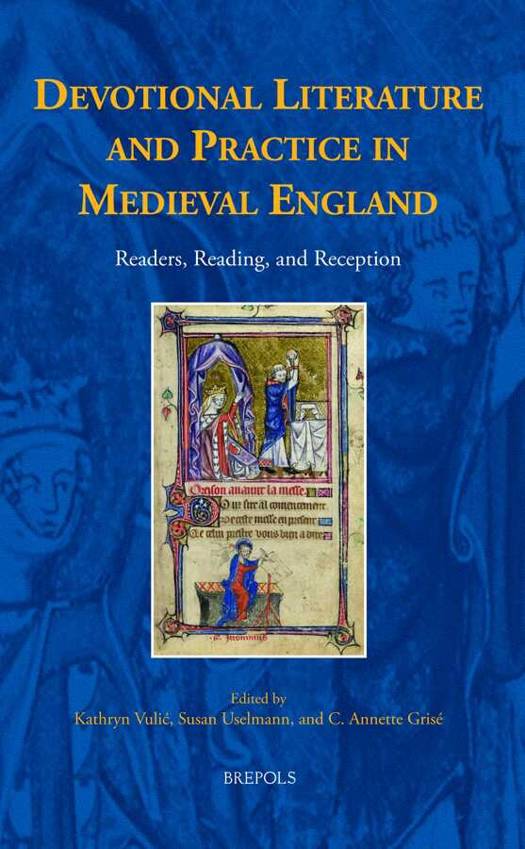
Devotional Literature and Practice in Medieval England
Readers, Reading, and Reception
Kathryn R. Vulić
€ 95,40
+ 190 punten
Omschrijving
This volume recognises that religious writings care deeply about how devotional reading takes place, providing models for improving reading as a way of improving one's ability to worship. The abundant evidence from medieval England suggests a deep interest among devotional writers in documenting, teaching, and circumscribing devotional reading, given the importance of careful reading practices for salvation. This volume therefore draws together a wide range of interests in and approaches to studying the reading and reception of devotional texts in medieval England, from representations of readers and reading in devotional texts, to literary production and reception of devotional texts and images, to manuscripts and early books as devotional objects, to individual readers and patrons of devotional texts. Prefaced by a substantial introduction by the editors - setting the community in its wider religious and cultural environment and against the backdrop of broad historiographical trends - this volume brings together substantial essays based on original research by new and leading scholars in the field of medieval English studies. This collection (and indeed, many of the individual articles) brings into dialogue a number of traditional disciplinary approaches - early and late medieval English literary studies, gender studies, manuscript studies, and religious studies. It strives to reflect trends in current scholarship of breaking down disciplinary boundaries and exploring the relationships between and among not only analytical and critical perspectives, but also the kinds of evidence examined.
Specificaties
Betrokkenen
- Auteur(s):
- Uitgeverij:
Inhoud
- Aantal bladzijden:
- 284
- Taal:
- Engels
- Reeks:
- Reeksnummer:
- nr. 29
Eigenschappen
- Productcode (EAN):
- 9782503530291
- Verschijningsdatum:
- 19/01/2017
- Uitvoering:
- Hardcover
- Formaat:
- Genaaid
- Afmetingen:
- 163 mm x 239 mm
- Gewicht:
- 635 g


Alleen bij Standaard Boekhandel
+ 190 punten op je klantenkaart van Standaard Boekhandel
Cadeau

AANGERADEN


Beoordelingen
We publiceren alleen reviews die voldoen aan de voorwaarden voor reviews. Bekijk onze voorwaarden voor reviews.