


- Afhalen na 1 uur in een winkel met voorraad
- Gratis thuislevering in België vanaf € 30
- Ruim aanbod met 7 miljoen producten
- Afhalen na 1 uur in een winkel met voorraad
- Gratis thuislevering in België vanaf € 30
- Ruim aanbod met 7 miljoen producten





€ 305,45
+ 610 punten
Uitvoering
Omschrijving
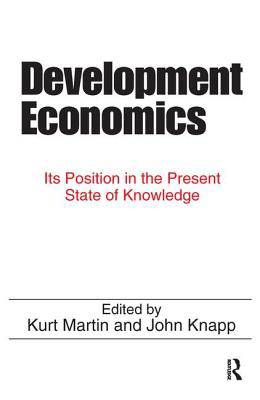
Interest in the problems of underdeveloped economies has increased since the early 1950s, and is now a primary topic in university courses. When this book was originally published, it reflected a sense among some economists that current, orthodox economic theory is inadequate in this field.The volume includes leading American and non-American economists. The discussion of the content of courses was, in the nature of things, an extension of the discussion on the state of knowledge and reflects the period immediately prior to initial publication. Some of the issues continue to be debated, including the balance of instruction between macro- and micro-economics, the place of mathematics and econometrics, the question of the desirability of linking the study of economics with studies in administration, languages, political science, sociology or even engineering.Development economics is now an established subject in the teaching curricula of most universities. The attention of the volume is focused on the problems of creating courses of study in subjects relevant to development within some framework specially designed for the purpose. The problems of organizing such courses concerned the length of courses, the type of students to which they would cater, the qualifications and standards required for admission and successful completion of courses, and so on.The balance of instruction between macro- and micro-economics, the place of mathematics and econometrics, the question of the desirability of linking the study of economics with studies in administration, languages (in connection with area studies), political science, sociology or even engineering, the merits of methods like case studies, workshops and training in field work, are all discussed.
Specificaties
Betrokkenen
- Auteur(s):
- Uitgeverij:
Inhoud
- Aantal bladzijden:
- 256
- Taal:
- Engels
Eigenschappen
- Productcode (EAN):
- 9781138522275
- Verschijningsdatum:
- 2/08/2017
- Uitvoering:
- Hardcover
- Formaat:
- Genaaid
- Afmetingen:
- 152 mm x 229 mm
- Gewicht:
- 512 g


Alleen bij Standaard Boekhandel
+ 610 punten op je klantenkaart van Standaard Boekhandel
CADEAU

AANGERADEN


Beoordelingen
We publiceren alleen reviews die voldoen aan de voorwaarden voor reviews. Bekijk onze voorwaarden voor reviews.