


- Afhalen na 1 uur in een winkel met voorraad
- Gratis thuislevering in België vanaf € 30
- Ruim aanbod met 7 miljoen producten
- Afhalen na 1 uur in een winkel met voorraad
- Gratis thuislevering in België vanaf € 30
- Ruim aanbod met 7 miljoen producten





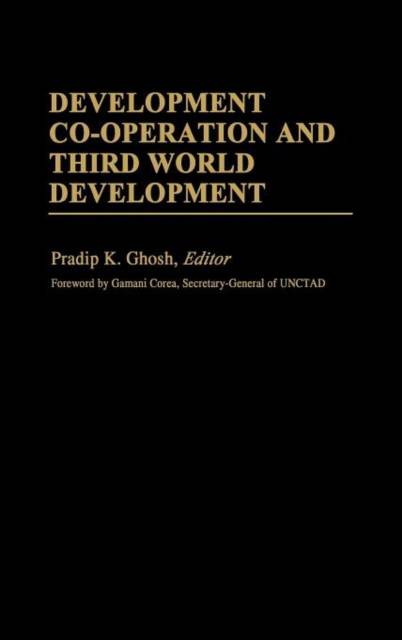
Development Co-Operation and Third World Development
Pradip K Ghosh
€ 152,95
+ 305 punten
Omschrijving
The past two decades have witnessed an ongoing search for a more coherent basis for development cooperation and the means to satisfy global needs. The achievement of better relations among developed and developing countries remains an urgent task as the world community seeks to formulate a new and more equitable economic order. Findings in this volume suggest that persistent economic difficulties within industrial countries, especially high unemployment and inflationary tendencies, have made it clear that the rich and poor countries alike must strive for more effective patterns of world economic and development collaboration. Contributors explore cooperation among developing countries as both a means for implementing a new international economic order and a desirable feature of this order. This book provides researchers with much needed knowledge about the different sources of information and data available for the study of the objectives, goals, and methods of development cooperation programs among Third World countries.
Specificaties
Betrokkenen
- Auteur(s):
- Uitgeverij:
Inhoud
- Aantal bladzijden:
- 494
- Taal:
- Engels
- Reeks:
Eigenschappen
- Productcode (EAN):
- 9780313241512
- Verschijningsdatum:
- 24/10/1984
- Uitvoering:
- Hardcover
- Formaat:
- Genaaid
- Afmetingen:
- 156 mm x 234 mm
- Gewicht:
- 902 g


Alleen bij Standaard Boekhandel
+ 305 punten op je klantenkaart van Standaard Boekhandel
Cadeau

AANGERADEN


Beoordelingen
We publiceren alleen reviews die voldoen aan de voorwaarden voor reviews. Bekijk onze voorwaarden voor reviews.