


- Afhalen na 1 uur in een winkel met voorraad
- Gratis thuislevering in België vanaf € 30
- Ruim aanbod met 7 miljoen producten
- Afhalen na 1 uur in een winkel met voorraad
- Gratis thuislevering in België vanaf € 30
- Ruim aanbod met 7 miljoen producten





€ 29,95
+ 59 punten
Uitvoering
Omschrijving
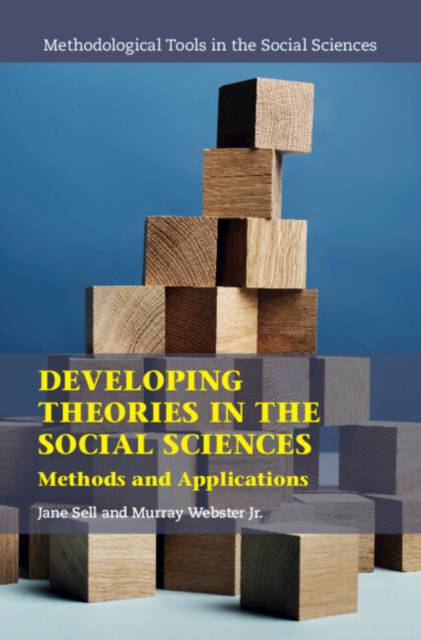
Progress in the social sciences entails developing and improving theoretical understanding of social phenomena and improving methods for collecting and analyzing data. Theories organize what we know or expect to learn about phenomena and methods provide the evidential basis for the theories. While we have witnessed great strides in the development of statistical methods, there is less information for developing theories. In Developing Theories in the Social Sciences, Jane Sell and Murray Webster Jr. describe an approach for logical, consistent, and useful explanatory theories for social scientists. They emphasize properly defining concepts to embed in theoretical propositions, while providing guidelines for avoiding missteps that can occur, including imprecise definitions, incomplete assumptions, and missing scope conditions. Offering examples from different disciplines, the authors propose a structured method vital for building and refining theories about social phenomena.
Specificaties
Betrokkenen
- Auteur(s):
- Uitgeverij:
Inhoud
- Aantal bladzijden:
- 144
- Taal:
- Engels
- Reeks:
Eigenschappen
- Productcode (EAN):
- 9781009483339
- Verschijningsdatum:
- 18/06/2026
- Uitvoering:
- Paperback
- Formaat:
- Trade paperback (VS)


Alleen bij Standaard Boekhandel
+ 59 punten op je klantenkaart van Standaard Boekhandel
Cadeau

AANGERADEN


Beoordelingen
We publiceren alleen reviews die voldoen aan de voorwaarden voor reviews. Bekijk onze voorwaarden voor reviews.