


- Afhalen na 1 uur in een winkel met voorraad
- Gratis thuislevering in België vanaf € 30
- Ruim aanbod met 7 miljoen producten
- Afhalen na 1 uur in een winkel met voorraad
- Gratis thuislevering in België vanaf € 30
- Ruim aanbod met 7 miljoen producten





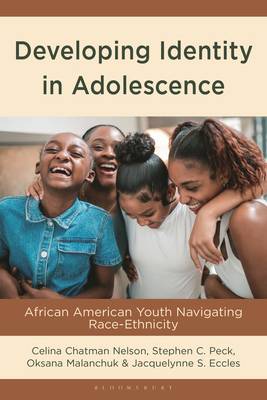
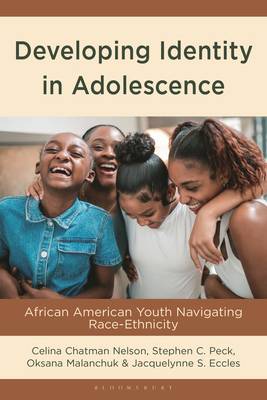
Developing Identity in Adolescence
African American Youth Navigating Race-Ethnicity
Celina Chatman Nelson, Stephen C Peck, Oksana Malanchuk, Jacquelynne S Eccles
Hardcover | Engels
€ 186,95
+ 373 punten
Eenvoudig bestellen
Veilig betalen


Gratis thuislevering vanaf € 30 (via bpost)
Gratis levering in je Standaard Boekhandel
Omschrijving
Explores racial/ethnic identity development as a life-long process of negotiating self, context, and others' perceptions and behaviors from early adolescence to adulthood.
Guided by early foundational and recent compelling theories on race/ethnicity and identity development across the lifespan, Celina Chatman Nelson, Stephen C. Peck, Oksana Malanchuk, and Jacquelynne S. Eccles provide a detailed analysis of their collected research on the Maryland Adolescent Development in Context Study (MADICS) to demonstrate the diversity of racial/ethnic identity profiles and how they change over time. MADICS began with nearly 1500 7th graders and their families in the early 1990s, following many of them into their early 30s at the turn of the millennium. Using mixed-method research involving case studies and interview data, this book demonstrates racial/ethnic identity as multidimensional, contextualized, and idiosyncratic, within a bidirectional, iterative, and nuanced process. Through the presentation of their research findings on Prince George's County youth, the authors encourage families, schools, and communities to have an open dialogue about race/ethnicity to promote active reflection not only among developing youth, but also within the world we live in today.Specificaties
Betrokkenen
- Auteur(s):
- Uitgeverij:
Inhoud
- Aantal bladzijden:
- 216
- Taal:
- Engels
Eigenschappen
- Productcode (EAN):
- 9781793633187
- Verschijningsdatum:
- 4/09/2025
- Uitvoering:
- Hardcover
- Formaat:
- Genaaid
- Afmetingen:
- 152 mm x 229 mm
- Gewicht:
- 458 g


Alleen bij Standaard Boekhandel
+ 373 punten op je klantenkaart van Standaard Boekhandel
CADEAU

AANGERADEN


Beoordelingen
We publiceren alleen reviews die voldoen aan de voorwaarden voor reviews. Bekijk onze voorwaarden voor reviews.