



Bedankt voor het vertrouwen het afgelopen jaar! Om jou te bedanken bieden we GRATIS verzending (in België) aan op alles gedurende de hele maand januari.
- Afhalen na 1 uur in een winkel met voorraad
- In januari gratis thuislevering in België
- Ruim aanbod met 7 miljoen producten
Bedankt voor het vertrouwen het afgelopen jaar! Om jou te bedanken bieden we GRATIS verzending (in België) aan op alles gedurende de hele maand januari.
- Afhalen na 1 uur in een winkel met voorraad
- In januari gratis thuislevering in België
- Ruim aanbod met 7 miljoen producten





Omschrijving
★ Winner of the 2025 Biblical Archaeology Society Publication Award for Best Book on the Hebrew Bible
★ Winner of the 2025 Manfred Lautenschlaeger Award for Theological Promise
★ Honorable Mention at the 2025 SHARP Book History Book Prize
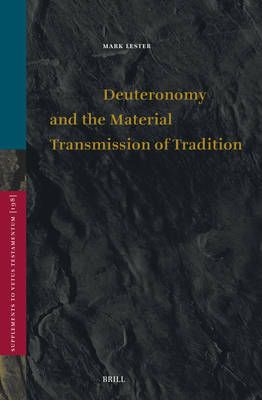
Deuteronomy and the inscribed texts depicted within it are often called "books." Moreover, its treatment of writing has earned it a prominent place in historical accounts of the religion of ancient Israel and Judah. Neither Deuteronomy nor its text-artifacts, however, are books in any conventional sense of the term. This interdisciplinary study reorients the analysis of Deuteronomic textuality around the materiality, visuality, and rhetoric of ancient rather than modern media. It argues that the Deuteronomic composition adapts the media aesthetics of ancient treaty tablets and monumental inscriptions to a story that is itself transformed into an artifact of the past.
★ Winner of the 2025 Manfred Lautenschlaeger Award for Theological Promise
★ Honorable Mention at the 2025 SHARP Book History Book Prize
Deuteronomy and the inscribed texts depicted within it are often called "books." Moreover, its treatment of writing has earned it a prominent place in historical accounts of the religion of ancient Israel and Judah. Neither Deuteronomy nor its text-artifacts, however, are books in any conventional sense of the term. This interdisciplinary study reorients the analysis of Deuteronomic textuality around the materiality, visuality, and rhetoric of ancient rather than modern media. It argues that the Deuteronomic composition adapts the media aesthetics of ancient treaty tablets and monumental inscriptions to a story that is itself transformed into an artifact of the past.
Specificaties
Betrokkenen
- Auteur(s):
- Uitgeverij:
Inhoud
- Aantal bladzijden:
- 328
- Taal:
- Engels
- Reeks:
- Reeksnummer:
- nr. 198
Eigenschappen
- Productcode (EAN):
- 9789004691803
- Verschijningsdatum:
- 28/02/2024
- Uitvoering:
- Hardcover
- Formaat:
- Genaaid
- Afmetingen:
- 156 mm x 238 mm
- Gewicht:
- 544 g


Alleen bij Standaard Boekhandel
+ 371 punten op je klantenkaart van Standaard Boekhandel
SOLDEN


Beoordelingen
We publiceren alleen reviews die voldoen aan de voorwaarden voor reviews. Bekijk onze voorwaarden voor reviews.