


- Afhalen na 1 uur in een winkel met voorraad
- Gratis thuislevering in België vanaf € 30
- Ruim aanbod met 7 miljoen producten
- Afhalen na 1 uur in een winkel met voorraad
- Gratis thuislevering in België vanaf € 30
- Ruim aanbod met 7 miljoen producten





€ 54,95
+ 109 punten
Omschrijving
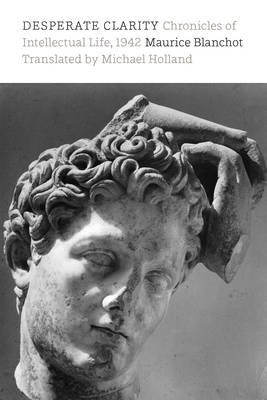
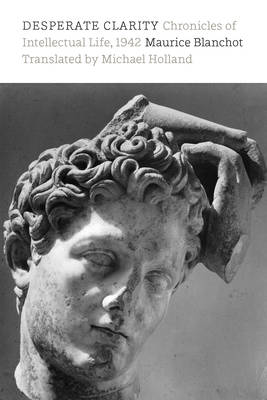
These articles gradually outline a practical project that both looks back to the radical artistic doctrines of the late nineteenth and early twentieth centuries and anticipates the most original developments in the postwar era, among writers such as Robbe-Grillet, Butor, Sarraute, and Duras, not to mention Blanchot himself. In addition Blanchot is receptive in his weekly column to the extraordinarily wide range of original writing and thinking that was produced during the dark years of occupation, in areas such as psychology, anthropology, ancient history, linguistics, and philosophy. A highly original doctrine of writing can be seen to develop in which, thanks to the desperate clarity with which Blanchot's mind accepts and advances into what he sees as absolute and irrevocable disaster, thought is carefully and systematically deflected away from any sort of nihilism, thanks to a new relationship between reason, with its unitary subject, and the otherness to which imagination offers access.
Specificaties
Betrokkenen
- Auteur(s):
- Vertaler(s):
- Uitgeverij:
Inhoud
- Aantal bladzijden:
- 240
- Taal:
- Engels
Eigenschappen
- Productcode (EAN):
- 9780823251001
- Verschijningsdatum:
- 1/11/2013
- Uitvoering:
- Paperback
- Formaat:
- Trade paperback (VS)
- Afmetingen:
- 150 mm x 234 mm
- Gewicht:
- 317 g


Alleen bij Standaard Boekhandel
+ 109 punten op je klantenkaart van Standaard Boekhandel
Cadeau

AANGERADEN


Beoordelingen
We publiceren alleen reviews die voldoen aan de voorwaarden voor reviews. Bekijk onze voorwaarden voor reviews.