


- Afhalen na 1 uur in een winkel met voorraad
- Gratis thuislevering in België vanaf € 30
- Ruim aanbod met 7 miljoen producten
- Afhalen na 1 uur in een winkel met voorraad
- Gratis thuislevering in België vanaf € 30
- Ruim aanbod met 7 miljoen producten





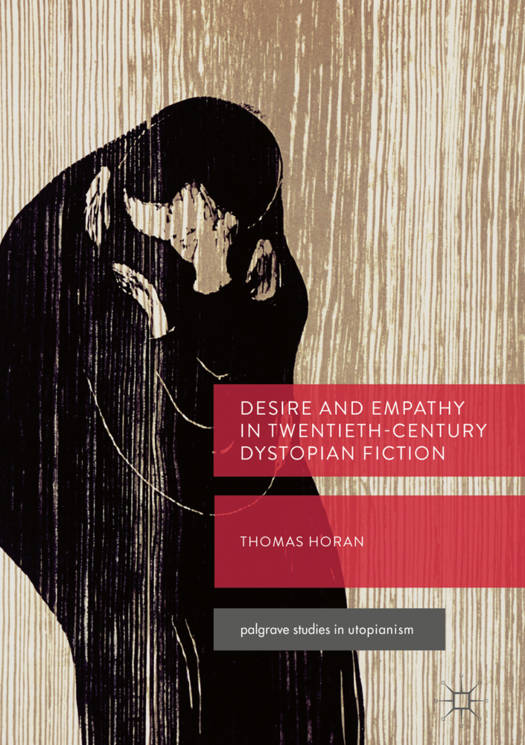
Desire and Empathy in Twentieth-Century Dystopian Fiction
Thomas Horan
€ 119,45
+ 238 punten
Uitvoering
Omschrijving
This book assesses key works of twentieth-century dystopian fiction, including Katharine Burdekin's Swastika Night, George Orwell's Nineteen Eighty-Four, and Margaret Atwood's The Handmaid's Tale, to demonstrate that the major authors of this genre locate empathy and morality in eroticism. Taken together, these books delineate a subset of politically conscious speculative literature, which can be understood collectively as projected political fiction. While Thomas Horan addresses problematic aspects of this subgenre, particularly sexist and racist stereotypes, he also highlights how some of these texts locate social responsibility in queer and other non-heteronormative sexual relationships. In these novels, even when the illicit relationship itself is truncated, sexual desire fosters hope and community.
Specificaties
Betrokkenen
- Auteur(s):
- Uitgeverij:
Inhoud
- Aantal bladzijden:
- 212
- Taal:
- Engels
- Reeks:
Eigenschappen
- Productcode (EAN):
- 9783319889788
- Verschijningsdatum:
- 8/05/2019
- Uitvoering:
- Paperback
- Formaat:
- Trade paperback (VS)
- Afmetingen:
- 148 mm x 210 mm
- Gewicht:
- 299 g


Alleen bij Standaard Boekhandel
+ 238 punten op je klantenkaart van Standaard Boekhandel
Cadeau

AANGERADEN


Beoordelingen
We publiceren alleen reviews die voldoen aan de voorwaarden voor reviews. Bekijk onze voorwaarden voor reviews.