



- Afhalen na 1 uur in een winkel met voorraad
- In januari gratis thuislevering in België
- Ruim aanbod met 7 miljoen producten
- Afhalen na 1 uur in een winkel met voorraad
- In januari gratis thuislevering in België
- Ruim aanbod met 7 miljoen producten





€ 54,45
+ 108 punten
Omschrijving
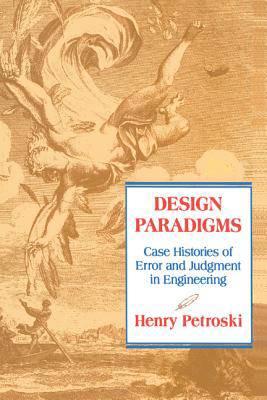
From classical temples to twentieth century towers, engineers have learned more about design from failure than from success. The concept of error, according to the author of Design Paradigms, is central to the design process. As a way of explaining the enduring aspects of engineering design, Henry Petroski relates stories of some of the greatest engineering successes and failures of all time. These case studies, drawn from a wide range of times and places, from Ancient Greece and Rome to modern America, serve as paradigms of error and judgment in engineering design. By showing how errors were introduced in the design process and how they might be avoided, the book suggests how better quality and reliability might be achieved in designed devices, structures, and systems of all kinds. Clearly written, with striking illustrations, the book will appeal to engineering students, practicing engineers, historians of science and technology, and all those interested in learning about the process of design.
Specificaties
Betrokkenen
- Auteur(s):
- Uitgeverij:
Inhoud
- Aantal bladzijden:
- 224
- Taal:
- Engels
Eigenschappen
- Productcode (EAN):
- 9780521466493
- Verschijningsdatum:
- 27/05/1994
- Uitvoering:
- Paperback
- Formaat:
- Trade paperback (VS)
- Afmetingen:
- 152 mm x 227 mm
- Gewicht:
- 335 g


Alleen bij Standaard Boekhandel
+ 108 punten op je klantenkaart van Standaard Boekhandel
Cadeau

AANGERADEN


Beoordelingen
We publiceren alleen reviews die voldoen aan de voorwaarden voor reviews. Bekijk onze voorwaarden voor reviews.