


- Afhalen na 1 uur in een winkel met voorraad
- Gratis thuislevering in België vanaf € 30
- Ruim aanbod met 7 miljoen producten
- Afhalen na 1 uur in een winkel met voorraad
- Gratis thuislevering in België vanaf € 30
- Ruim aanbod met 7 miljoen producten




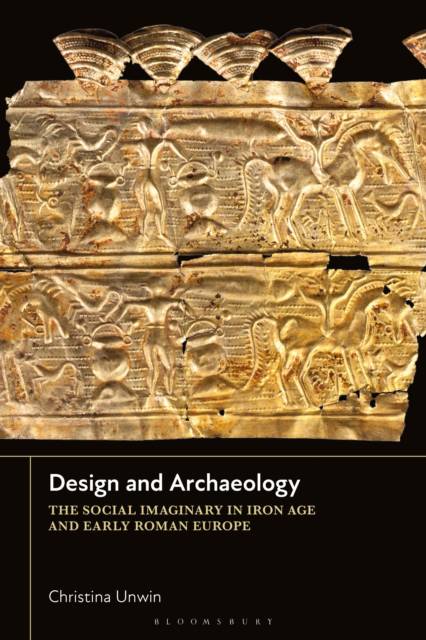
Design and Archaeology
The Social Imaginary in Iron Age and Early Roman Europe
Christina Unwin
Hardcover | Engels
€ 195,45
Omschrijving
The application of design practice and theory has received little attention in the field of archaeology, despite the close and interdisciplinary connection of both disciplines working with material culture. Christina Unwin provides an up-to-date study that addresses this lacuna, by using a series of case studies from the Iron Age and early Roman period (c. 600 BC - c. AD 200) in different European regions. Giving the reader a concise overview of the relevant terminology and approaches in design theory, Unwin then applies these treatments in different archaeological contexts to reveal new aspects of how we can understand material culture.
Design theory reveals that a material object may be understood beyond its material, form, function and period of time in which it was made, and invites archaeologists to re-evaluate their approaches to material things from a completely new perspective. Designed and made objects are immaterial in their planning, associations and effects - as well as material in their physical presence. The conceptual and terminological boundaries set by archaeological studies may therefore be challenged through the idea of design. This, in turn, enables the archaeologist to reconnect objects in terms of the people who made them, how they used them and how they interacted with them to build their sociality. This book is a significant intervention in the exploration of design and archaeological intersections across material culture.Specificaties
Betrokkenen
- Auteur(s):
- Uitgeverij:
Inhoud
- Aantal bladzijden:
- 296
- Taal:
- Engels
Eigenschappen
- Productcode (EAN):
- 9781350443846
- Verschijningsdatum:
- 8/01/2026
- Uitvoering:
- Hardcover
- Formaat:
- Genaaid
- Afmetingen:
- 156 mm x 234 mm
- Gewicht:
- 585 g


Alleen bij Standaard Boekhandel
Cadeau

AANGERADEN


Beoordelingen
We publiceren alleen reviews die voldoen aan de voorwaarden voor reviews. Bekijk onze voorwaarden voor reviews.