


- Afhalen na 1 uur in een winkel met voorraad
- Gratis thuislevering in België vanaf € 30
- Ruim aanbod met 7 miljoen producten
- Afhalen na 1 uur in een winkel met voorraad
- Gratis thuislevering in België vanaf € 30
- Ruim aanbod met 7 miljoen producten





€ 25,71
+ 25 punten
Uitvoering
Omschrijving
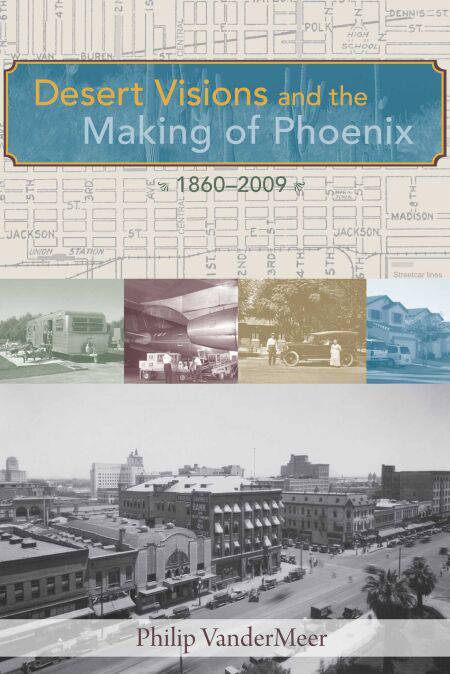
Whether touted for its burgeoning economy, affordable housing, and pleasant living style, or criticized for being less like a city than a sprawling suburb, Phoenix, by all environmental logic, should not exist. Yet despite its extremely hot and dry climate and its remoteness, Phoenix has grown into a massive metropolitan area. This exhaustive study examines the history of how Phoenix came into being and how it has sustained itself, from its origins in the 1860s to its present status as the nation’s fifth largest city.
From the beginning, Phoenix sought to grow, and although growth has remained central to the city’s history, its importance, meaning, and value have changed substantially over the years. The initial vision of Phoenix as an American Eden gave way to the Cold War Era vision of a High Tech Suburbia, which in turn gave way to rising concerns in the late twentieth century about the environmental, social, and political costs of growth. To understand how such unusual growth occurred in such an improbable location, Philip VanderMeer explores five major themes: the natural environment, urban infrastructure, economic development, social and cultural values, and public leadership. Through investigating Phoenix’s struggle to become a major American metropolis, his study also offers a unique view of what it means to be a desert city.
From the beginning, Phoenix sought to grow, and although growth has remained central to the city’s history, its importance, meaning, and value have changed substantially over the years. The initial vision of Phoenix as an American Eden gave way to the Cold War Era vision of a High Tech Suburbia, which in turn gave way to rising concerns in the late twentieth century about the environmental, social, and political costs of growth. To understand how such unusual growth occurred in such an improbable location, Philip VanderMeer explores five major themes: the natural environment, urban infrastructure, economic development, social and cultural values, and public leadership. Through investigating Phoenix’s struggle to become a major American metropolis, his study also offers a unique view of what it means to be a desert city.
Specificaties
Betrokkenen
- Auteur(s):
- Uitgeverij:
Inhoud
- Aantal bladzijden:
- 480
- Taal:
- Engels
Eigenschappen
- Productcode (EAN):
- 9780826348937
- Verschijningsdatum:
- 15/12/2010
- Uitvoering:
- E-book
- Beveiligd met:
- Adobe DRM
- Formaat:
- ePub


Alleen bij Standaard Boekhandel
+ 25 punten op je klantenkaart van Standaard Boekhandel
AANGERADEN


Beoordelingen
We publiceren alleen reviews die voldoen aan de voorwaarden voor reviews. Bekijk onze voorwaarden voor reviews.