


- Afhalen na 1 uur in een winkel met voorraad
- Gratis thuislevering in België vanaf € 30
- Ruim aanbod met 7 miljoen producten
- Afhalen na 1 uur in een winkel met voorraad
- Gratis thuislevering in België vanaf € 30
- Ruim aanbod met 7 miljoen producten





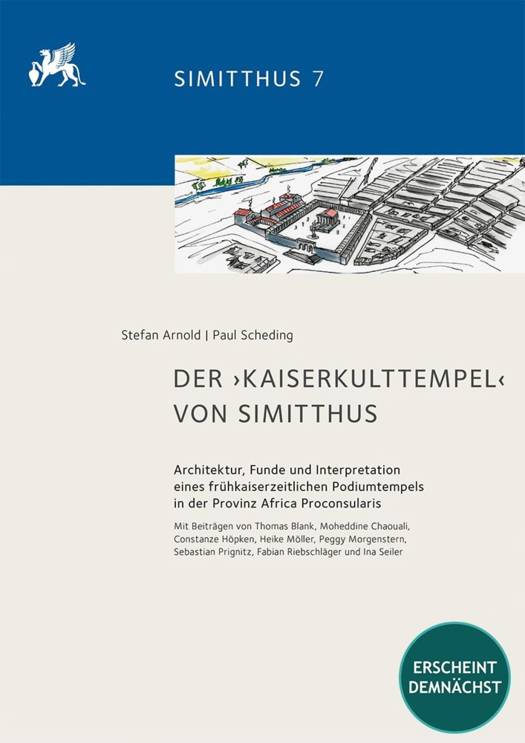
Der 'Kaiserkulttempel' Von Simitthus
Architektur, Funde Und Interpretation Eines Fruhkaiserzeitlichen Podiumtempels in Der Provinz Africa Proconsularis
Stefan Arnold, Paul Scheding
€ 122,95
+ 245 punten
Omschrijving
English summary: The volume brings together four decades of archaeological and architectural research on the Imperial Cult Temple in the Roman city of Simitthus, Tunisia. Through a collaboration between the Tunisian Department of Antiquities and the German Archaeological Institute, this book presents one of the largest cult complexes of Roman North Africa in detail. Built during the early years of the Roman Colonia Iulia Augusta Numidica Simithu, now Chimtou, the Imperial Cult Temple featured remarkable architecture in the 1st century BCE. Its ancient design was particularly important to the Italic settlers in Simitthus. The unique decorations are reminiscent of temples from the 4th and 3rd centuries BC in central Italy, which had not been in use for over 200 years. This revival of ancient traditions is also seen in other areas of life in the new province of Africa Proconsularis. The temple's importance is further demonstrated by its expansion under the emperor Septimius Severus, over 100 years later, making it one of the largest Roman temple complexes in Africa. The architectural ensemble includes a unique arch monument at the entrance to the sacred precinct, notable for its three equally sized arches. Detailed analysis of the inscriptions confirms the site's role in the Roman imperial cult. The seventh volume in this series offers a thorough overview of the temple's archaeology and architecture, providing the first complete reconstruction of its design, plaza, and arch monument within the context of Simitthus' urban development. German description: Der Band vereint die Ergebnisse aus vier Jahrzehnten archaologischer und baugeschichtlicher Erforschung des Kaiserkulttempels in der romischen Stadt Simitthus, Tunesien. Dank der Zusammenarbeit uber zwei Forschergenerationen zwischen dem tunesischen Denkmalamt und dem Deutschen Archaologischen Institut ist es gelungen, einen der grossten Kultbezirke des romischen Nordafrikas umfassend darzustellen.Der Tempel entstand in der Fruhphase der romischen Colonia Iulia Augusta Numidica Simithu, dem heutigen Chimtou, und wies im 1. Jahrhundert n. Chr. eine aussergewohnliche Architektur auf. Seine altertumlichen Bauformen hatten fur die italischen Kolonisten der Stadt eine besondere Bedeutung. Die einzigartige Ornamentik verweist auf Tempel des 4. und 3. Jahrhunderts v. Chr. in Mittelitalien. Das Phanomen der Wiederbelebung oder Erfindung von Tradition zeigt sich in der jungen Provinz Africa proconsularis auch in anderen Lebensbereichen.Die herausragende Stellung des Kaiserkulttempels fur die Stadt wird besonders deutlich durch den Ausbau unter den Severern - mehr als 100 Jahre spater - zu einer der grossten romischen Tempelanlagen in Afrika. Zu diesem Architekturensemble gehort auch ein Bogenmonument, das mit seinen drei gleichgrossen Bogen in der Africa proconsularis einzigartig ist. Die detaillierte Analyse der zugehorigen Bauinschriften konnte die Funktion des Ensembles als Tempel fur den romischen Kaiserkult plausibel darstellen.Der 7. Band der Reihe bietet einen umfassenden Uberblick uber die Archaologie und Baugeschichte des Kaiserkulttempels und prasentiert erstmals eine uberzeugende Rekonstruktion seiner Architektur, der Platzanlage und des Bogenmonuments im Kontext der stadtebaulichen Entwicklung von Simitthus.
Specificaties
Betrokkenen
- Auteur(s):
- Uitgeverij:
Inhoud
- Aantal bladzijden:
- 206
- Taal:
- Duits
- Reeks:
Eigenschappen
- Productcode (EAN):
- 9783752008593
- Verschijningsdatum:
- 8/12/2025
- Uitvoering:
- Hardcover
- Formaat:
- Genaaid
- Afmetingen:
- 215 mm x 18 mm
- Gewicht:
- 417 g


Alleen bij Standaard Boekhandel
+ 245 punten op je klantenkaart van Standaard Boekhandel
Cadeau

AANGERADEN


Beoordelingen
We publiceren alleen reviews die voldoen aan de voorwaarden voor reviews. Bekijk onze voorwaarden voor reviews.