


- Afhalen na 1 uur in een winkel met voorraad
- Gratis thuislevering in België vanaf € 30
- Ruim aanbod met 7 miljoen producten
- Afhalen na 1 uur in een winkel met voorraad
- Gratis thuislevering in België vanaf € 30
- Ruim aanbod met 7 miljoen producten





€ 132,00
+ 264 punten
Eenvoudig bestellen
Veilig betalen


Gratis thuislevering vanaf € 30 (via bpost)
Gratis levering in je Standaard Boekhandel
Omschrijving
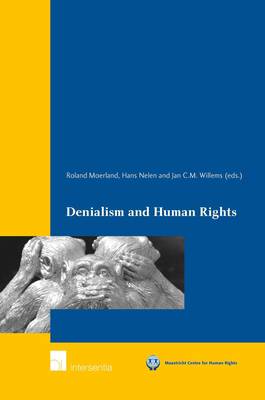
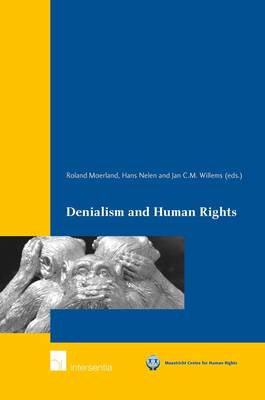
The safeguarding of human rights remains highly problematic, despite the proliferation of human rights instruments and the many actions taken by a variety of actors, such as governmental and non-governmental organisations, (individual) states and the international community over the past decades. Human rights violations do still occur on a large scale and injustice remains rampant. Central to this problem appears to be that social, economic, cultural and political structures in societies provide denialist defence mechanisms. Such deeply embedded denialism causes and/or facilitates human rights violations, because the true nature of the problems involved remains fully or partly unacknowledged and as a result appropriate action remains absent. In order to safeguard the effectuation of human rights it is thus pertinent to acknowledge and address this problem of denialism and develop strategies to move beyond it. To address the above-mentioned problem, an international conference was organised on the theme of Denialism and Human Rights by the Maastricht Centre for Human Rights in 2015, which brought together scholars, practitioners and students from various disciplines and fields to unearth and address denialism in the context of their own particular area of research.The present volume contains a unique collection of papers that were presented during the conference. The content of the papers ranges from more general reflections on the theme of denialism and human rights to more specific areas of research that are relevant in terms of denialism such as genocide, childrens rights, the role of (inter)national organisations, penology, and social, economic and cultural rights.
Specificaties
Betrokkenen
- Auteur(s):
- Uitgeverij:
Inhoud
- Aantal bladzijden:
- 488
- Taal:
- Engels
- Reeks:
Eigenschappen
- Productcode (EAN):
- 9781780683690
- Verschijningsdatum:
- 24/06/2016
- Uitvoering:
- Paperback
- Formaat:
- Trade paperback (VS)
- Afmetingen:
- 160 mm x 240 mm
- Gewicht:
- 816 g


Alleen bij Standaard Boekhandel
+ 264 punten op je klantenkaart van Standaard Boekhandel
CADEAU

AANGERADEN


Beoordelingen
We publiceren alleen reviews die voldoen aan de voorwaarden voor reviews. Bekijk onze voorwaarden voor reviews.