


- Afhalen na 1 uur in een winkel met voorraad
- Gratis thuislevering in België vanaf € 30
- Ruim aanbod met 7 miljoen producten
- Afhalen na 1 uur in een winkel met voorraad
- Gratis thuislevering in België vanaf € 30
- Ruim aanbod met 7 miljoen producten





€ 129,95
+ 259 punten
Eenvoudig bestellen
Veilig betalen


Gratis thuislevering vanaf € 30 (via bpost)
Gratis levering in je Standaard Boekhandel
Omschrijving
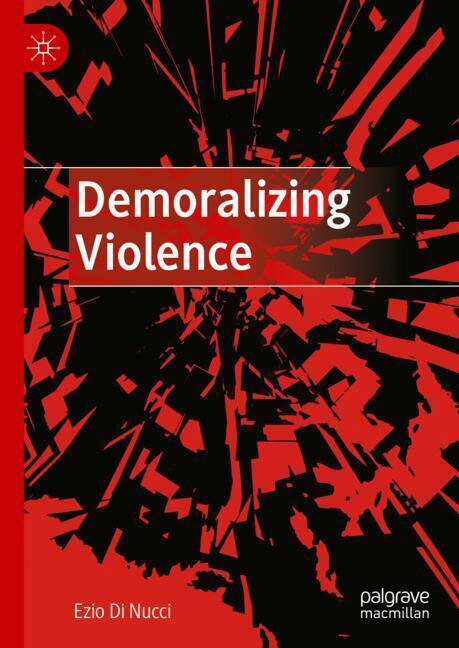
Is non-violence oppressive? This book argues that non-violent ethics keeps minoritized peoples down and helps the bourgeoisie tolerate structural injustice. Like sex, violence needs de-moralizing, in order to fulfil its emancipatory potential. Social injustice and global inequality will not deprive the privileged of their sleep, if radical measures are morally ruled out from the start. And the ethics of non-violence robs the working classes of one of the few mechanisms they have left to help them cope with our increasingly digitalized bureaucracies, developed around the needs of highly educated urban classes. There is not just the normative obvious point that it is not fair to deprive the oppressed of one of the only resources they have left; it is also that it isn't surprising that the bourgeoisie would settle on a non-violent ethics, since that happens to prop up their privileged position - while at the same time soothing their precious conscience: capital with a soul. The book defends three overall claims: first, non-violence is oppressive, in the traditional feminist sense of keeping people down; second, non-violence helps the bourgeoisie tolerate structural injustice; and thirdly, that access to violent means is not distributed fairly across gender or race, for example.
Specificaties
Betrokkenen
- Auteur(s):
- Uitgeverij:
Inhoud
- Aantal bladzijden:
- 203
- Taal:
- Engels
Eigenschappen
- Productcode (EAN):
- 9783031898600
- Verschijningsdatum:
- 13/06/2025
- Uitvoering:
- Hardcover
- Formaat:
- Genaaid
- Afmetingen:
- 148 mm x 210 mm
- Gewicht:
- 408 g



Alleen bij Standaard Boekhandel
+ 259 punten op je klantenkaart van Standaard Boekhandel
CADEAU

AANGERADEN


Beoordelingen
We publiceren alleen reviews die voldoen aan de voorwaarden voor reviews. Bekijk onze voorwaarden voor reviews.