


- Afhalen na 1 uur in een winkel met voorraad
- Gratis thuislevering in België vanaf € 30
- Ruim aanbod met 7 miljoen producten
- Afhalen na 1 uur in een winkel met voorraad
- Gratis thuislevering in België vanaf € 30
- Ruim aanbod met 7 miljoen producten





€ 209,45
+ 418 punten
Uitvoering
Eenvoudig bestellen
Veilig betalen


Gratis thuislevering vanaf € 30 (via bpost)
Gratis levering in je Standaard Boekhandel
Omschrijving
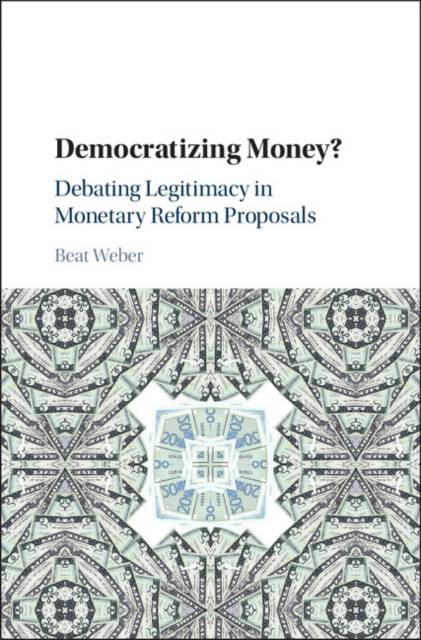
A lack of confidence in monetary institutions after the recent financial crash has led to a resurgence of public debate on the topic of monetary reform, reaching a level of political prominence unprecedented since the period after the Great Depression. Whether privatizing money with Bitcoin, regionalizing it with regional currencies, or turning it into a state monopoly with either sovereign money or 'Modern Monetary Theory, the only economic utopians able to draw public attention in our post-crash world seem to be monetary reformers. Weber provides the first proper economic analysis of these modern monetary reform proposals, exposing their flaws and fallacies through critical examination. From academics studying the political economy of finance to economic sociologists studying financial institutions, this book will appeal to scholars and students interested in monetary reform proposals and the viability of alternative currency systems, and more broadly, readers seeking a contemporary understanding of what money is and how it works today.
Specificaties
Betrokkenen
- Auteur(s):
- Uitgeverij:
Inhoud
- Aantal bladzijden:
- 284
- Taal:
- Engels
Eigenschappen
- Productcode (EAN):
- 9781107195813
- Verschijningsdatum:
- 17/05/2018
- Uitvoering:
- Hardcover
- Formaat:
- Genaaid
- Afmetingen:
- 154 mm x 234 mm
- Gewicht:
- 521 g



Alleen bij Standaard Boekhandel
+ 418 punten op je klantenkaart van Standaard Boekhandel
CADEAU

AANGERADEN


Beoordelingen
We publiceren alleen reviews die voldoen aan de voorwaarden voor reviews. Bekijk onze voorwaarden voor reviews.