


- Afhalen na 1 uur in een winkel met voorraad
- Gratis thuislevering in België vanaf € 30
- Ruim aanbod met 7 miljoen producten
- Afhalen na 1 uur in een winkel met voorraad
- Gratis thuislevering in België vanaf € 30
- Ruim aanbod met 7 miljoen producten





€ 53,00
+ 106 punten
Omschrijving
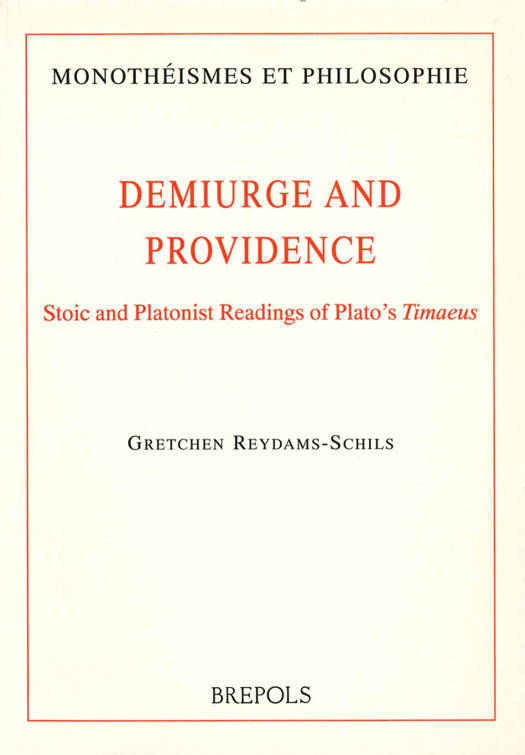
Of the rich legacy of the Timaeus, this study deals with the cross-pollination between Stoic and Platonist readings of Timaeus, spanning the period from Plato's writings to that of the so-called Middle Platonist authors. Plato's Timaeus and Stoic doctrine had their fates intertwined from very early on, both in polemical and reconciliatory contexts. The blend of Platonic and Stoic elements ultimately constituted one of the main conceptual bridges between the pagan tradition on the one hand and the Judeo-Christian, in its own search for the distinction between transcendence and immanence, on the other. Contrary to the received opinion, later platonist authors do not merely borrow Stoic terminology. Rather, in a genuine 'discourse of assimilation' the Stoic analysis of the universe has left a profound mark on Platonist views of the principles, of the place of humans in the universe, as well as of human freedom and its interaction with divine Providence.
Specificaties
Betrokkenen
- Auteur(s):
- Uitgeverij:
Inhoud
- Aantal bladzijden:
- 297
- Taal:
- Engels
- Reeks:
- Reeksnummer:
- nr. 2
Eigenschappen
- Productcode (EAN):
- 9782503506562
- Verschijningsdatum:
- 15/01/1999
- Uitvoering:
- Paperback
- Formaat:
- Trade paperback (VS)
- Afmetingen:
- 147 mm x 208 mm
- Gewicht:
- 430 g


Alleen bij Standaard Boekhandel
+ 106 punten op je klantenkaart van Standaard Boekhandel
Cadeau

AANGERADEN


Beoordelingen
We publiceren alleen reviews die voldoen aan de voorwaarden voor reviews. Bekijk onze voorwaarden voor reviews.