


- Afhalen na 1 uur in een winkel met voorraad
- Gratis thuislevering in België vanaf € 30
- Ruim aanbod met 7 miljoen producten
- Afhalen na 1 uur in een winkel met voorraad
- Gratis thuislevering in België vanaf € 30
- Ruim aanbod met 7 miljoen producten





€ 195,45
+ 390 punten
Omschrijving
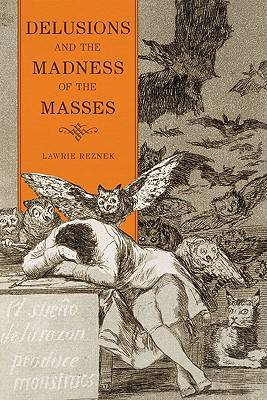
We all think that we can tell the difference between someone who is mad, or whom psychiatrists call psychotic, and someone who is sane. But can we really tell who is mad and who is not? Do we really know what madness is and how it should be recognized? Have psychiatrists made a sensible distinction between the patient who believes that aliens are beaming messages to him from a foreign planet, and the religious fanatic who believes God communicates to him via automatic writing? Is there a difference between the paranoid patient who believes that the FBI is after him, and the sizeable proportion of our normal population that believe that the US government orchestrated the 9-11 bombings? Here, Reznek hopes to shed light on the delusions of the masses-those delusions that are common to everyday people living so-called ordinary lives. He provides an understanding of madness and the psychological processes that drive us to adopt delusions, arguing that it is a mistake to view only schizophrenic patients as delusional, while excluding large groups of society from such an analysis. If we abandon the idea that whole communities cannot share a delusion, we can come to a better understanding about why the world is such a dangerous place.
Specificaties
Betrokkenen
- Auteur(s):
- Uitgeverij:
Inhoud
- Aantal bladzijden:
- 254
- Taal:
- Engels
Eigenschappen
- Productcode (EAN):
- 9781442206052
- Verschijningsdatum:
- 1/10/2010
- Uitvoering:
- Hardcover
- Formaat:
- Ongenaaid / garenloos gebonden
- Afmetingen:
- 155 mm x 231 mm
- Gewicht:
- 544 g


Alleen bij Standaard Boekhandel
+ 390 punten op je klantenkaart van Standaard Boekhandel
Cadeau

AANGERADEN


Beoordelingen
We publiceren alleen reviews die voldoen aan de voorwaarden voor reviews. Bekijk onze voorwaarden voor reviews.