


- Afhalen na 1 uur in een winkel met voorraad
- Gratis thuislevering in België vanaf € 30
- Ruim aanbod met 7 miljoen producten
- Afhalen na 1 uur in een winkel met voorraad
- Gratis thuislevering in België vanaf € 30
- Ruim aanbod met 7 miljoen producten





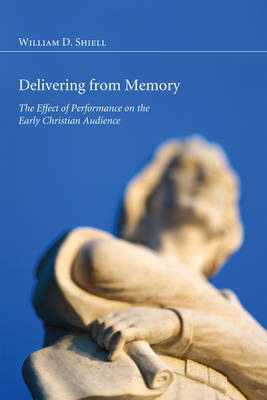
Delivering from Memory
The Effect of Performance on the Early Christian Audience
William D Shiell
Paperback | Engels
€ 32,95
+ 65 punten
Uitvoering
Omschrijving
When the New Testament was read publicly, what effect did the performances have on the audience? In Delivering from Memory, William Shiell argues that these performances shaped early Christian paideia among communities of active, engaged listeners. Using Greco-Roman rhetorical conventions, Shiell's groundbreaking study suggests that lectors delivered from memory without memorizing the text verbatim and audiences listened with their memories in a collaborative process with the performer. The text functioned as a starting place for emotion, paraphrase, correction, and instruction. In the process, the performances trained and shaped the character of the reader and the formation of the audience. The lector's performance functioned as a mirror for the audience to examine themselves as children of God. These conventions shaped the ways lectors performed Jesus. Just as the New Testament reflects many titles for Jesus, so the canonical form of the Gospels offers many ways Jesus was performed in the ancient world. By interpreting through the eyes of performance, we join a conversation that has existed since the formative stages of the Christian movement. By performing with the ancient audience, we shape the character of reader and audience through the emotions, rhetorical figures, and memories in the text. We raise new questions about audiences in the ancient world and interpret stories through the ears of performance.
Specificaties
Betrokkenen
- Auteur(s):
- Uitgeverij:
Inhoud
- Aantal bladzijden:
- 152
- Taal:
- Engels
Eigenschappen
- Productcode (EAN):
- 9781608996780
- Verschijningsdatum:
- 16/09/2011
- Uitvoering:
- Paperback
- Formaat:
- Trade paperback (VS)
- Afmetingen:
- 150 mm x 224 mm
- Gewicht:
- 204 g


Alleen bij Standaard Boekhandel
+ 65 punten op je klantenkaart van Standaard Boekhandel

Beoordelingen
We publiceren alleen reviews die voldoen aan de voorwaarden voor reviews. Bekijk onze voorwaarden voor reviews.