


- Afhalen na 1 uur in een winkel met voorraad
- Gratis thuislevering in België vanaf € 30
- Ruim aanbod met 7 miljoen producten
- Afhalen na 1 uur in een winkel met voorraad
- Gratis thuislevering in België vanaf € 30
- Ruim aanbod met 7 miljoen producten





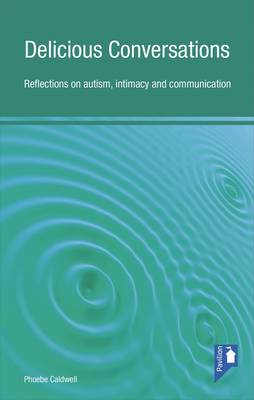
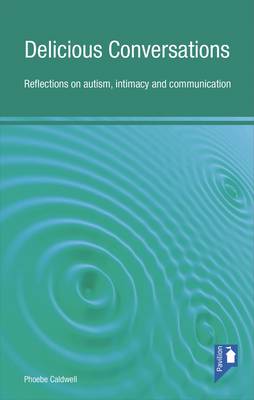
Delicious Conversations
Reflections on Autism, Intimacy and Communication
Phoebe Caldwell
Paperback | Engels
€ 13,95
+ 27 punten
Omschrijving
In Delicious Conversations, Phoebe Caldwell offers us her personal insights into how we can experience intimacy with those on the autistic spectrum, based on years of experience working in the field. The book deals not only with ways of working in a professional context but also takes a more general look at the nature of affective communication and how we can learn to 'read' other people by recognising our subconscious reactions to their body language. Autism is a condition characterised by aloneness, separation and inward focus. Through her compelling reflections Caldwell shows us that by tuning in to our partners' body language we can not only communicate with people with autism but also share an emotional connection, helping to combat the isolating nature of autistic spectrum conditions. Caldwell offers practical advice for ways that we can tap into our intuitive minds and share an intimate connection with our communication partners, building a dialogue that does not rely on speech but makes use of all of our senses. Using examples from her own experience Caldwell emphasises that these techniques can help to alleviate the distress that may be at the route of stereotypic behaviours, by communicating with people on their own terms and in their own 'language'.
Specificaties
Betrokkenen
- Auteur(s):
- Uitgeverij:
Inhoud
- Aantal bladzijden:
- 180
- Taal:
- Engels
Eigenschappen
- Productcode (EAN):
- 9781908993052
- Verschijningsdatum:
- 1/07/2012
- Uitvoering:
- Paperback
- Formaat:
- Trade paperback (VS)
- Afmetingen:
- 137 mm x 213 mm
- Gewicht:
- 276 g


Alleen bij Standaard Boekhandel
+ 27 punten op je klantenkaart van Standaard Boekhandel

Beoordelingen
We publiceren alleen reviews die voldoen aan de voorwaarden voor reviews. Bekijk onze voorwaarden voor reviews.