


- Afhalen na 1 uur in een winkel met voorraad
- Gratis thuislevering in België vanaf € 30
- Ruim aanbod met 7 miljoen producten
- Afhalen na 1 uur in een winkel met voorraad
- Gratis thuislevering in België vanaf € 30
- Ruim aanbod met 7 miljoen producten





€ 293,45
+ 586 punten
Omschrijving
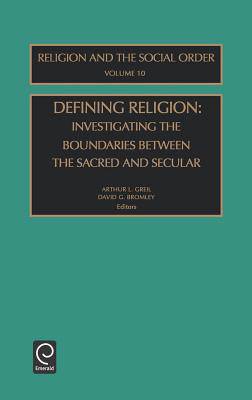
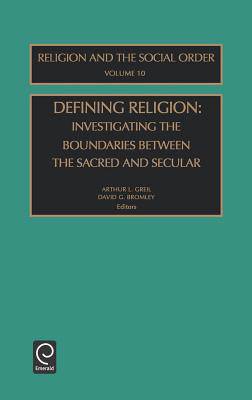
The debate over the proper definition of "religion" has occupied the attention of social scientists for many years without shedding much light on the nature of religion. One reason for this lack of progress is that most participants in the debate have accepted a naturalistic conception of religion. The goal of this volume is to inspire a re-orientation in the way students of religion think about the task of defining religion and to encourage an appreciation of the fact that defining religion is fundamentally a social and political process. The first substantive section of this volume features critical views of the ways in which academicians have traditionally defined religion and suggests new and potentially more useful approaches. A second section features essays that look at the development of the category of religion in historical and cross-cultural context. These essays make it clear that the notion that religion is a basic sphere of human experience is a Western concept that emerged at a particular point in history for particular political and ideological reasons. The final section of the volume focuses on the social nature of the process of defining religion and on the influence that changing definitions of religion have on religious practice and beliefs.
Specificaties
Betrokkenen
- Auteur(s):
- Uitgeverij:
Inhoud
- Aantal bladzijden:
- 272
- Taal:
- Engels
- Reeks:
- Reeksnummer:
- nr. 10
Eigenschappen
- Productcode (EAN):
- 9780762309764
- Verschijningsdatum:
- 8/08/2003
- Uitvoering:
- Hardcover
- Formaat:
- Genaaid
- Afmetingen:
- 156 mm x 234 mm
- Gewicht:
- 557 g


Alleen bij Standaard Boekhandel
+ 586 punten op je klantenkaart van Standaard Boekhandel
Cadeau

AANGERADEN


Beoordelingen
We publiceren alleen reviews die voldoen aan de voorwaarden voor reviews. Bekijk onze voorwaarden voor reviews.