


- Afhalen na 1 uur in een winkel met voorraad
- Gratis thuislevering in België vanaf € 30
- Ruim aanbod met 7 miljoen producten
- Afhalen na 1 uur in een winkel met voorraad
- Gratis thuislevering in België vanaf € 30
- Ruim aanbod met 7 miljoen producten





€ 67,95
+ 135 punten
Omschrijving
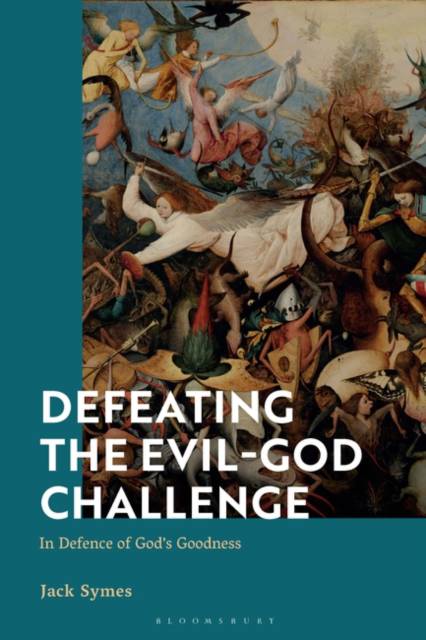
The evil-god challenge is one of the most popular topics in contemporary philosophy of religion. In this landmark text, Jack Symes offers the most detailed examination of the challenge to date. Exploring the nature of god through the leading schools of philosophical theology, Symes argues that it is significantly more reasonable to attribute goodness to god than evil. Drawing from a breadth of ground-breaking material - in metaphysics, ethics, aesthetics and epistemology - Symes claims to defeat the evil-god challenge on behalf of traditional theism.
Is it any more reasonable to believe in a good god than an evil god? Not according to proponents of the evil-god challenge. After all, the world contains a significant amount of good and evil for which either god could be held responsible. However, if belief in both gods is equally as reasonable, then religious believers are unjustified in favouring one hypothesis over the other. Therefore, in order to defend their faith, theists must respond to the evil-god challenge: the question of what justifies belief in good god over evil god.Specificaties
Betrokkenen
- Auteur(s):
- Uitgeverij:
Inhoud
- Aantal bladzijden:
- 224
- Taal:
- Engels
Eigenschappen
- Productcode (EAN):
- 9781350419322
- Verschijningsdatum:
- 11/12/2025
- Uitvoering:
- Paperback
- Formaat:
- Trade paperback (VS)
- Afmetingen:
- 156 mm x 234 mm
- Gewicht:
- 317 g


Alleen bij Standaard Boekhandel
+ 135 punten op je klantenkaart van Standaard Boekhandel
AANGERADEN


Beoordelingen
We publiceren alleen reviews die voldoen aan de voorwaarden voor reviews. Bekijk onze voorwaarden voor reviews.