


- Afhalen na 1 uur in een winkel met voorraad
- Gratis thuislevering in België vanaf € 30
- Ruim aanbod met 7 miljoen producten
- Afhalen na 1 uur in een winkel met voorraad
- Gratis thuislevering in België vanaf € 30
- Ruim aanbod met 7 miljoen producten





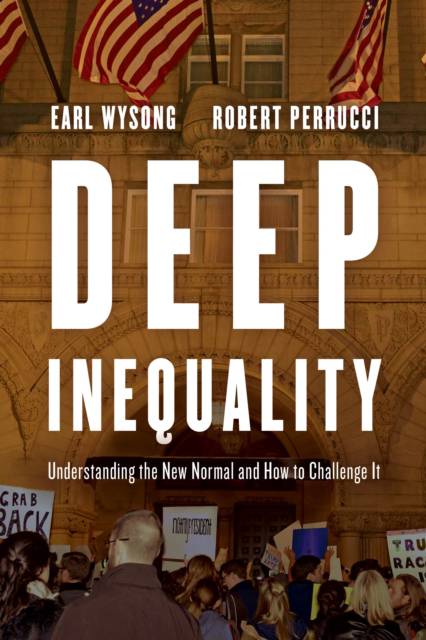
Deep Inequality
Understanding the New Normal and How to Challenge It
Earl Wysong, Robert Perrucci
Hardcover | Engels
€ 93,45
+ 186 punten
Omschrijving
Forbes reports that the richest 1 percent of the world's population owns nearly half the world's wealth, and the gap between the richest and poorest of the world only continues to increase. Deep Inequality looks behind these stark statistics to understand not only wealth inequality but also rising disparities in other elements of life--from education to the media. The authors argue that inequality has become so pervasive that it is the new normal. When we do recognize troubling inequality, we look at individual or small-scale problems without understanding the broader structural issues that shape the economy, the global political system, and more. Only by understanding the structural forces at play can we recognize the deep divisions in our society and work for meaningful change. Deep Inequality explains the changing landscape of inequality to help readers see society in a new way.
Specificaties
Betrokkenen
- Auteur(s):
- Uitgeverij:
Inhoud
- Aantal bladzijden:
- 224
- Taal:
- Engels
Eigenschappen
- Productcode (EAN):
- 9781442266452
- Verschijningsdatum:
- 17/11/2017
- Uitvoering:
- Hardcover
- Formaat:
- Genaaid
- Afmetingen:
- 160 mm x 229 mm
- Gewicht:
- 453 g



Alleen bij Standaard Boekhandel
+ 186 punten op je klantenkaart van Standaard Boekhandel
Cadeau

AANGERADEN


Beoordelingen
We publiceren alleen reviews die voldoen aan de voorwaarden voor reviews. Bekijk onze voorwaarden voor reviews.