


- Afhalen na 1 uur in een winkel met voorraad
- Gratis thuislevering in België vanaf € 30
- Ruim aanbod met 7 miljoen producten
- Afhalen na 1 uur in een winkel met voorraad
- Gratis thuislevering in België vanaf € 30
- Ruim aanbod met 7 miljoen producten





€ 65,00
+ 130 punten
Omschrijving
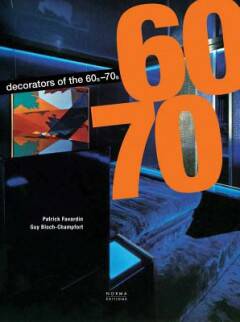
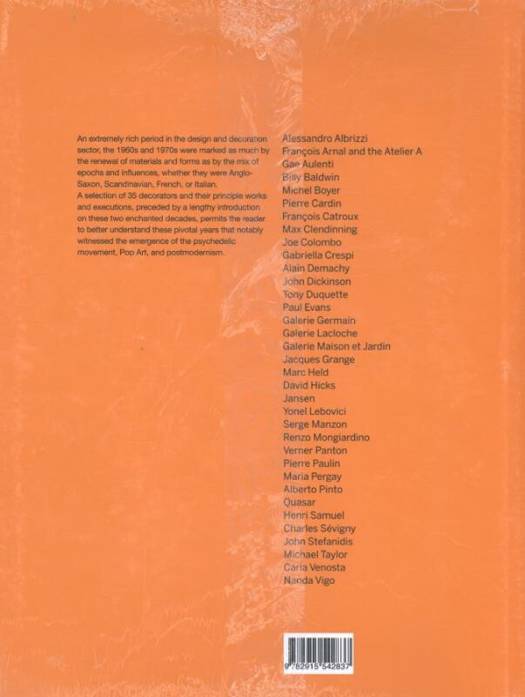
The 1960s and 1970s marked a sharp turning point in the history of decoration and furniture. Until that point, the world was confined to national and elitist forms of expression. At the beginning of the 1960s, the sector took its inspiration from Anglo-Saxon, Scandinavian, Italian and French decoration. Genres were combined in a frenzied desire to live in symbiosis with one's time. The progress of technology strengthened the conviction that the individual had unlimited freedom and aroused the desire to inhabit in a new manner. Forms became rounder, furniture was in sync with a warm, playful, and anticonformist universe. Colours and decorative motifs took on the brilliance and fantasies of Pop Art and psychedelia. The living environment was transformed into a waking dream in which luxurious furniture in original materials and surprising objects were mixed, associated, for the first time, with early furniture. The end of the 1970s marked the advent of a period in which beauty and classic elegance gave way to a host of expressions that were unclassifiable and rejected any hierarchy. The postmodern period had arrived. Composed of a long introduction that provides a synoptic view and 32 monographs that describe its many faces, this book invites the reader to discover an exceptionally creative period and revels through an abundant iconography.
Specificaties
Betrokkenen
- Auteur(s):
- Uitgeverij:
Inhoud
- Aantal bladzijden:
- 336
- Taal:
- Engels
- Geïllustreerd:
- Ja
Eigenschappen
- Productcode (EAN):
- 9782915542837
- Verschijningsdatum:
- 23/11/2015
- Uitvoering:
- Hardcover
- Afmetingen:
- 230 mm x 305 mm
- Gewicht:
- 2200 g


Alleen bij Standaard Boekhandel
+ 130 punten op je klantenkaart van Standaard Boekhandel
Cadeau

AANGERADEN


Beoordelingen
We publiceren alleen reviews die voldoen aan de voorwaarden voor reviews. Bekijk onze voorwaarden voor reviews.