


- Afhalen na 1 uur in een winkel met voorraad
- Gratis thuislevering in België vanaf € 30
- Ruim aanbod met 7 miljoen producten
- Afhalen na 1 uur in een winkel met voorraad
- Gratis thuislevering in België vanaf € 30
- Ruim aanbod met 7 miljoen producten





€ 186,95
+ 373 punten
Omschrijving
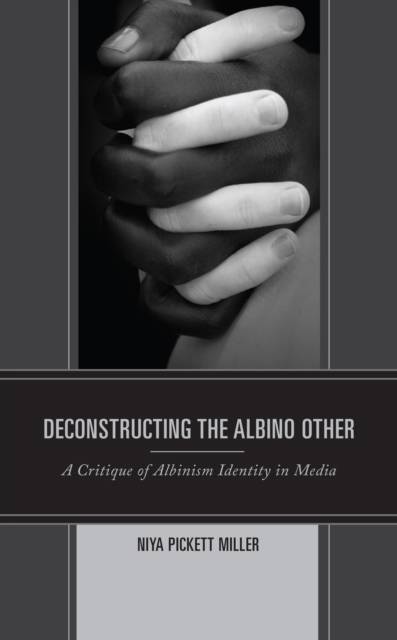
Deconstructing the Albino Other: A Critique of Albinism Identity in Media discusses how American popular culture and communication about albinism, including movie characters and memes, have worked to create and maintain a negative trope of albinism that situates people with albinism (PWA) as a monolithic other. Niya Pickett Miller demonstrates that consequently, PWA must construct their own identities of albinism, highlighting the salient aspects of themselves as they see fit with no valid representation to look to for guidance. Thus, Pickett Miller argues, self-defining for PWA is a key rhetorical action taken to rearticulate albinism identity. Rather than focusing on scientific and medical lenses of analysis, this book positions albinism as a social construct through which a broader understanding of otherness can be achieved, using the negative influence of pop culture's otherization of PWA as a case study with broader implications, including how medical conditions can be visually troped to isolate the other outside of society's realm of normalcy. Scholars of media studies, race studies, sociology, rhetoric, and the medical humanities will find this book particularly useful.
Specificaties
Betrokkenen
- Auteur(s):
- Uitgeverij:
Inhoud
- Aantal bladzijden:
- 128
- Taal:
- Engels
Eigenschappen
- Productcode (EAN):
- 9781793630872
- Verschijningsdatum:
- 3/11/2020
- Uitvoering:
- Hardcover
- Formaat:
- Genaaid
- Afmetingen:
- 152 mm x 229 mm
- Gewicht:
- 358 g


Alleen bij Standaard Boekhandel
+ 373 punten op je klantenkaart van Standaard Boekhandel
Cadeau

AANGERADEN


Beoordelingen
We publiceren alleen reviews die voldoen aan de voorwaarden voor reviews. Bekijk onze voorwaarden voor reviews.