


- Afhalen na 1 uur in een winkel met voorraad
- Gratis thuislevering in België vanaf € 30
- Ruim aanbod met 7 miljoen producten
- Afhalen na 1 uur in een winkel met voorraad
- Gratis thuislevering in België vanaf € 30
- Ruim aanbod met 7 miljoen producten





Omschrijving
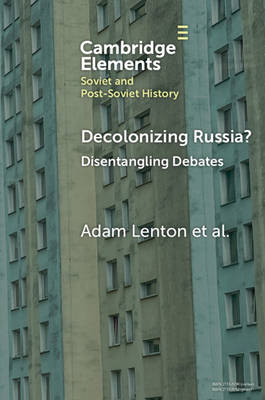
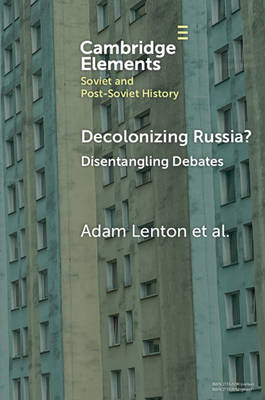
Russia's full-scale invasion of Ukraine in February 2022 radically changed the way many viewed the nature of the Russian state. The centrality of resentment and imperial nostalgia in Russian narratives led many to argue that Russian imperialism was a key force behind the invasion. By extension, this led to the idea that decolonization - largely in scholarship, but also among some policy circles - offered a way to better understanding Russia in this new context. To this end, this Element examines the debates over decolonization in the Russian case. It begins by contextualizing these debates through an examination of Russia's historical development as an empire. It then identifies and disentangles three key focal points: decolonization as domestic Russian politics, the transnational politics of decolonization, and decolonization as a scholarly endeavor. By doing so, this Element shows where decolonization has merit, but also where it is contested or limited.
Specificaties
Betrokkenen
- Auteur(s):
- Uitgeverij:
Inhoud
- Aantal bladzijden:
- 86
- Taal:
- Engels
- Reeks:
Eigenschappen
- Productcode (EAN):
- 9781009664783
- Verschijningsdatum:
- 22/05/2025
- Uitvoering:
- Paperback
- Formaat:
- Trade paperback (VS)
- Afmetingen:
- 152 mm x 229 mm
- Gewicht:
- 127 g


Alleen bij Standaard Boekhandel
+ 72 punten op je klantenkaart van Standaard Boekhandel
Cadeau

AANGERADEN


Beoordelingen
We publiceren alleen reviews die voldoen aan de voorwaarden voor reviews. Bekijk onze voorwaarden voor reviews.