


- Afhalen na 1 uur in een winkel met voorraad
- Gratis thuislevering in België vanaf € 30
- Ruim aanbod met 7 miljoen producten
- Afhalen na 1 uur in een winkel met voorraad
- Gratis thuislevering in België vanaf € 30
- Ruim aanbod met 7 miljoen producten




€ 273,95
+ 547 punten
Omschrijving
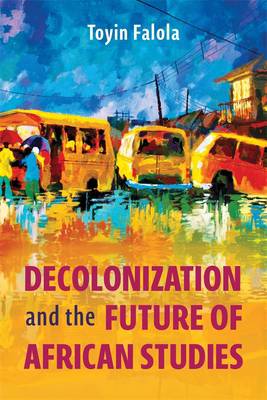
A study of African intellectual traditions as a resource to decolonize African Studies, this book argues that indigenous methods and knowledge are essential for studying Africa's diverse peoples and histories. The study and research of the African past and present require well-defined approaches and methodologies aimed at decolonizing African studies. Research on Africa has often been conducted using materials and sources produced by Eurocentric scholarship that drew upon colonial systems and actors, which continue to shape the modern experiences of Africans. Though colonialism has played a significant role in African history, this is only one part of the broader context. There are many other sources, perspectives, and approaches yet to be utilized that could aid in the discovery and research of hitherto uncharted aspects of African history and contemporary African societies. This book is a study of the African intellectual traditions, methods, and knowledge that can be used to decolonize African studies, leading the field in more nuanced and holistic directions. There is a pressing need to utilize alternative approaches, particularly engaging with Africa's wealth of indigenous knowledge systems, even when doing so is far from straightforward. Through a variety of written, oral, and material sources, this work builds upon decolonization scholarship by analyzing and implementing non-traditional sources to enhance the field. Drawing from case studies throughout the continent and its vast history, this volume covers a range of subjects to improve underrepresented research in African scholarship.
Specificaties
Betrokkenen
- Auteur(s):
- Uitgeverij:
Inhoud
- Aantal bladzijden:
- 516
- Taal:
- Engels
Eigenschappen
- Productcode (EAN):
- 9781648250507
- Verschijningsdatum:
- 30/06/2026
- Uitvoering:
- Hardcover
- Formaat:
- Genaaid
- Afmetingen:
- 152 mm x 229 mm


Alleen bij Standaard Boekhandel
+ 547 punten op je klantenkaart van Standaard Boekhandel
AANGERADEN


Beoordelingen
We publiceren alleen reviews die voldoen aan de voorwaarden voor reviews. Bekijk onze voorwaarden voor reviews.