


- Afhalen na 1 uur in een winkel met voorraad
- Gratis thuislevering in België vanaf € 30
- Ruim aanbod met 7 miljoen producten
- Afhalen na 1 uur in een winkel met voorraad
- Gratis thuislevering in België vanaf € 30
- Ruim aanbod met 7 miljoen producten




€ 79,95
+ 159 punten
Omschrijving
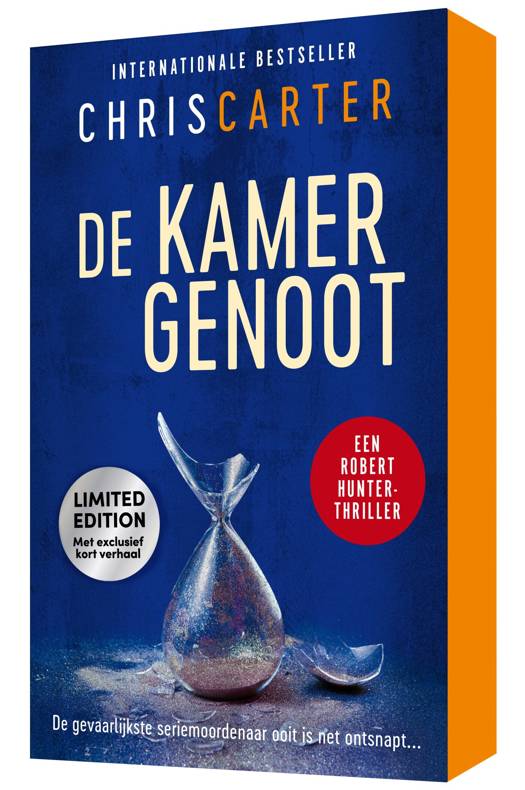
This volume challenges a long history of normalizing patriarchal approaches to the Qur'an and calls for a questioning of the interpretive credibility of many inherited Qur'anic commentaries. The author presents a fresh reading of the sacred text and Islamic teaching traditions as the rediscovery of a lost humanitarian and gender-egalitarian textual richness that has been poorly and loosely handled for centuries. The book stresses the importance of reviewing the interpretive linguistic choices that jurists and exegetes over the last fourteen centuries have adopted to semantically reshape the Qur'anic text. The vigilant reading the author provides of carefully chosen texts and commentaries suggests that many interpretive approaches to the Qur'an are dominated by sociopolitical factors alien to the intrinsic values of the text itself. More importantly, inconsistencies across putatively sound books of tafsir indicate that the Qur'anic text often suffers from historical and systematic drainage of its humanitarianism, gender-egalitarianism, and religious pluralism.
Specificaties
Betrokkenen
- Auteur(s):
- Uitgeverij:
Inhoud
- Aantal bladzijden:
- 182
- Taal:
- Engels
- Reeks:
Eigenschappen
- Productcode (EAN):
- 9781793609915
- Verschijningsdatum:
- 19/11/2021
- Uitvoering:
- Paperback
- Formaat:
- Trade paperback (VS)
- Afmetingen:
- 152 mm x 229 mm
- Gewicht:
- 272 g


Alleen bij Standaard Boekhandel
+ 159 punten op je klantenkaart van Standaard Boekhandel
AANGERADEN


Beoordelingen
We publiceren alleen reviews die voldoen aan de voorwaarden voor reviews. Bekijk onze voorwaarden voor reviews.