



Bedankt voor het vertrouwen het afgelopen jaar! Om jou te bedanken bieden we GRATIS verzending (in België) aan op alles gedurende de hele maand januari.
- Afhalen na 1 uur in een winkel met voorraad
- In januari gratis thuislevering in België
- Ruim aanbod met 7 miljoen producten
Bedankt voor het vertrouwen het afgelopen jaar! Om jou te bedanken bieden we GRATIS verzending (in België) aan op alles gedurende de hele maand januari.
- Afhalen na 1 uur in een winkel met voorraad
- In januari gratis thuislevering in België
- Ruim aanbod met 7 miljoen producten





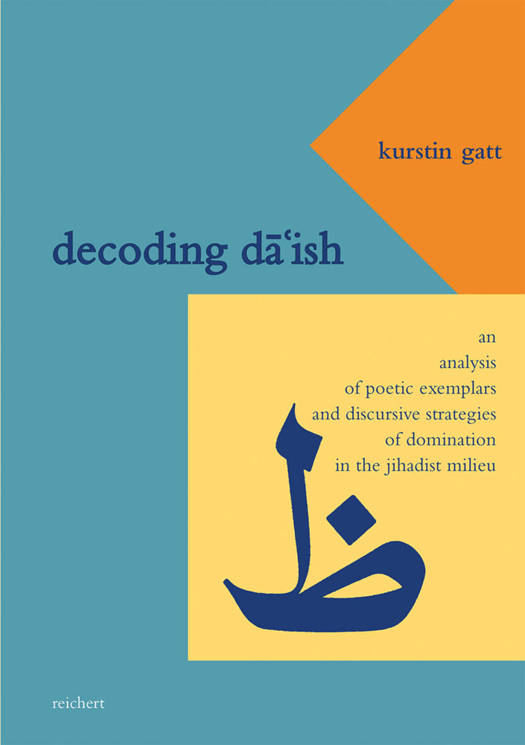
Decoding Da'ish
An Analysis of Poetic Exemplars and Discursive Strategies of Domination in the Jihadist Milieu
Kurstin Gatt
€ 191,95
+ 383 punten
Omschrijving
Why do Jihadists compose poetry and what role does poetry play in the transmission of the jihadist ideology? Decoding DA'ISH is located at the intersections of the literary, the religious, and the political in jihadist discourse. The study examines how the self-professed 'Islamic State' has twisted and manipulated the Arabic language, the classical Arabic ode, Islamic symbolism, traditions, and guiding myths to legitimate its political power and justify its violent policies. The discussion culminates in the analysis of Arabic poetry produced by the jihadist group by taking into consideration the socio-political context in the contemporary Iraq-Syria region. By drawing primarily upon numerous poems and chants, the author shows why our knowledge of the jihadist stream needs to be grounded in a thorough understanding of the cultural logics of mobilization, identity structures, and the belief systems and desires of these groups.
Specificaties
Betrokkenen
- Auteur(s):
- Uitgeverij:
Inhoud
- Aantal bladzijden:
- 344
- Taal:
- Engels
- Reeks:
- Reeksnummer:
- nr. 45
Eigenschappen
- Productcode (EAN):
- 9783954904723
- Verschijningsdatum:
- 3/11/2020
- Uitvoering:
- Hardcover
- Formaat:
- Genaaid
- Afmetingen:
- 177 mm x 26 mm
- Gewicht:
- 771 g


Alleen bij Standaard Boekhandel
+ 383 punten op je klantenkaart van Standaard Boekhandel
SOLDEN


Beoordelingen
We publiceren alleen reviews die voldoen aan de voorwaarden voor reviews. Bekijk onze voorwaarden voor reviews.