


- Afhalen na 1 uur in een winkel met voorraad
- Gratis thuislevering in België vanaf € 30
- Ruim aanbod met 7 miljoen producten
- Afhalen na 1 uur in een winkel met voorraad
- Gratis thuislevering in België vanaf € 30
- Ruim aanbod met 7 miljoen producten





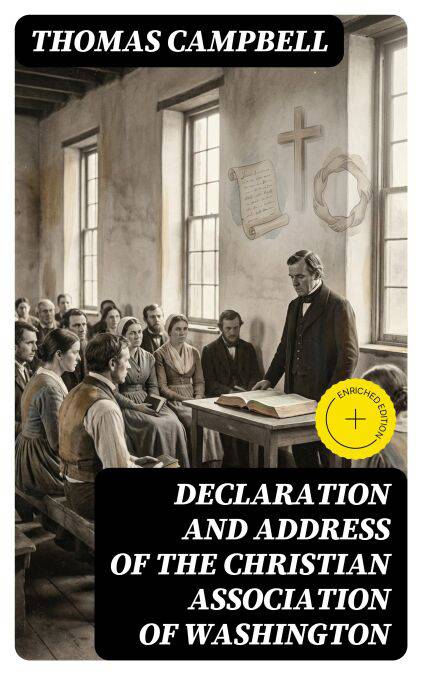
Declaration and Address of the Christian Association of Washington E-BOOK
Thomas Campbell
E-book | Engels
€ 0,99
Uitvoering
Omschrijving
In "Declaration and Address of the Christian Association of Washington," Thomas Campbell presents a foundational text for the Restoration Movement, articulating a vision for Christian unity and the restoration of New Testament Christianity. Written in an accessible yet earnest style, Campbell's work calls for a return to the principles found in scripture, promoting a communal and non-denominational approach to faith. The document emphasizes essential Christian tenets while challenging the sectarian divisions that had marred the church's integrity, positioning itself as both a theological treatise and a manifesto for reform. Thomas Campbell, a Scottish cleric and significant figure in early 19th-century American religious thought, was deeply influenced by the philosophical currents of his time, particularly the Enlightenment and its emphasis on reason. His experiences witnessing religious fragmentation led him to advocate for a more unified expression of Christianity, which is vividly expressed in this address. Campbell's commitment to scriptural authority and desire for communal harmony reflect his broader aspirations for a more inclusive Christian fellowship. This book is a crucial read for anyone interested in church history, ecumenism, or the theological underpinnings of the Restoration Movement. Campbell's passionate call for unity remains deeply relevant today, making this work an inspiring guide for contemporary Christians who seek to foster understanding and collaboration across denominational divides.
Specificaties
Betrokkenen
- Auteur(s):
- Uitgeverij:
Inhoud
- Aantal bladzijden:
- 70
- Taal:
- Engels
Eigenschappen
- Productcode (EAN):
- 8596547724346
- Verschijningsdatum:
- 16/11/2023
- Uitvoering:
- E-book
- Beveiligd met:
- Digital watermarking
- Formaat:
- ePub



Alleen bij Standaard Boekhandel
Cadeau

AANGERADEN


Beoordelingen
We publiceren alleen reviews die voldoen aan de voorwaarden voor reviews. Bekijk onze voorwaarden voor reviews.