



Je cadeautjes zeker op tijd in huis hebben voor de feestdagen? Kom langs in onze winkels en vind het perfecte geschenk!
- Afhalen na 1 uur in een winkel met voorraad
- Gratis thuislevering in België vanaf € 30
- Ruim aanbod met 7 miljoen producten
Je cadeautjes zeker op tijd in huis hebben voor de feestdagen? Kom langs in onze winkels en vind het perfecte geschenk!
- Afhalen na 1 uur in een winkel met voorraad
- Gratis thuislevering in België vanaf € 30
- Ruim aanbod met 7 miljoen producten





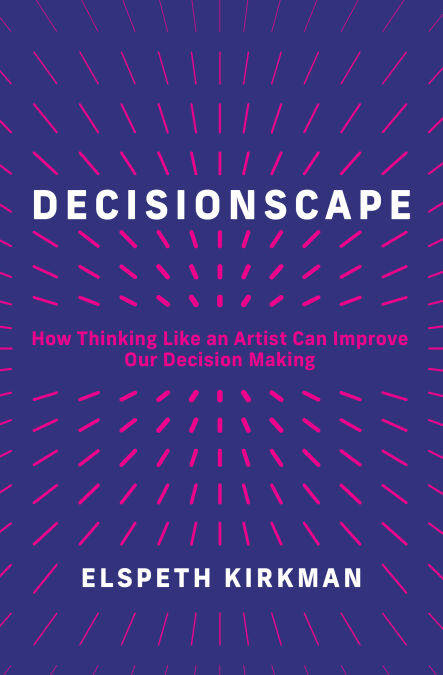
Decisionscape E-BOOK
How Thinking Like an Artist Can Improve Our Decision-Making
Elspeth Kirkman
E-book | Engels
€ 29,52
+ 29 punten
Omschrijving
How thinking like an artist can improve our decision making and provide the perspective necessary to make better choices.
Why are so many of our decisions regrettable, and what can we do about it? Decisionscape maps the surprising ways that our decisions are influenced and how thinking like an artist can help us deliberately arrange our perspective to make better choices. Introducing the concept of a “decisionscape,” Elspeth Kirkman blends art and science with insights from moral philosophy, sports, geopolitics, and elsewhere to explore decision making in a refreshingly original way. A broadly appealing and relatable book, Decisionscape asks us to confront the prejudices, blind spots, and hypocrisy in our day-to-day thinking.
When we make choices, Kirkman explains, we act like an artist arranging objects on a canvas, using our system of perspective to compose a mental representation of the world. This decisionscape includes a foreground and background, a frame, a fixed viewpoint, and outside influences. Organized into four parts that unpack a different facet of the book’s organizing principle, Decisionscape shows how psychological distance dictates what we prioritize and diminish, how the big picture can often look different from its parts, how culture and context frame decisions, and how personal worldviews alter how we interpret information. Complex, timely, and breezy, Decisionscape addresses one of the most fundamental human experiences: making better decisions to live our best life.
Why are so many of our decisions regrettable, and what can we do about it? Decisionscape maps the surprising ways that our decisions are influenced and how thinking like an artist can help us deliberately arrange our perspective to make better choices. Introducing the concept of a “decisionscape,” Elspeth Kirkman blends art and science with insights from moral philosophy, sports, geopolitics, and elsewhere to explore decision making in a refreshingly original way. A broadly appealing and relatable book, Decisionscape asks us to confront the prejudices, blind spots, and hypocrisy in our day-to-day thinking.
When we make choices, Kirkman explains, we act like an artist arranging objects on a canvas, using our system of perspective to compose a mental representation of the world. This decisionscape includes a foreground and background, a frame, a fixed viewpoint, and outside influences. Organized into four parts that unpack a different facet of the book’s organizing principle, Decisionscape shows how psychological distance dictates what we prioritize and diminish, how the big picture can often look different from its parts, how culture and context frame decisions, and how personal worldviews alter how we interpret information. Complex, timely, and breezy, Decisionscape addresses one of the most fundamental human experiences: making better decisions to live our best life.
Specificaties
Betrokkenen
- Auteur(s):
- Uitgeverij:
Inhoud
- Aantal bladzijden:
- 288
- Taal:
- Engels
Eigenschappen
- Productcode (EAN):
- 9780262378253
- Verschijningsdatum:
- 18/03/2024
- Uitvoering:
- E-book
- Beveiligd met:
- Adobe DRM
- Formaat:
- ePub


Alleen bij Standaard Boekhandel
+ 29 punten op je klantenkaart van Standaard Boekhandel
CADEAU


Beoordelingen
We publiceren alleen reviews die voldoen aan de voorwaarden voor reviews. Bekijk onze voorwaarden voor reviews.