


- Afhalen na 1 uur in een winkel met voorraad
- Gratis thuislevering in België vanaf € 30
- Ruim aanbod met 7 miljoen producten
- Afhalen na 1 uur in een winkel met voorraad
- Gratis thuislevering in België vanaf € 30
- Ruim aanbod met 7 miljoen producten





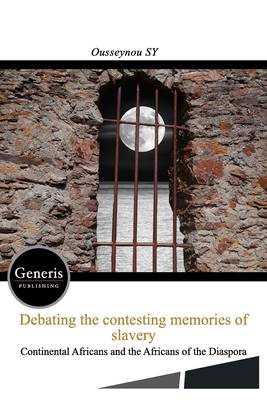
Debating the Contesting Memories of Slavery Between the Continental Africans and the Africans of the Diaspora
Ousseynou Sy
Paperback | Engels
€ 33,95
+ 67 punten
Omschrijving
This book analyzes the sentimental attachments to historical injury of slavery between continental Africans and diaspora slave descendants. It argues that there is memory décalage resulting from how slavery is lived, experienced, learned and taught across the Atlantic. This memory décalage is engendered mostly by the politics and processes of blackwashing and whitewashing which hide various historical and ideological agendas. The author's claim is that the silences of history have to be unmuted for the sake of 'devoir de mémoire' and also for the need of engaging a sincere international dialogue on shared responsibility in healing the wounds of slavery. The author contends also that the only history that can be viewed as tragic or shameful is the one muted since it runs the risk of repeating itself in one way or another. A glimpse at contemporary post-colonial African literature shows that Africa has, in many respects, unlearned many of the lessons of that tragedy.
Specificaties
Betrokkenen
- Auteur(s):
- Uitgeverij:
Inhoud
- Aantal bladzijden:
- 62
- Taal:
- Engels
Eigenschappen
- Productcode (EAN):
- 9781639024322
- Verschijningsdatum:
- 26/07/2021
- Uitvoering:
- Paperback
- Formaat:
- Trade paperback (VS)
- Afmetingen:
- 152 mm x 229 mm
- Gewicht:
- 95 g


Alleen bij Standaard Boekhandel
+ 67 punten op je klantenkaart van Standaard Boekhandel
AANGERADEN


Beoordelingen
We publiceren alleen reviews die voldoen aan de voorwaarden voor reviews. Bekijk onze voorwaarden voor reviews.