


- Afhalen na 1 uur in een winkel met voorraad
- Gratis thuislevering in België vanaf € 30
- Ruim aanbod met 7 miljoen producten
- Afhalen na 1 uur in een winkel met voorraad
- Gratis thuislevering in België vanaf € 30
- Ruim aanbod met 7 miljoen producten





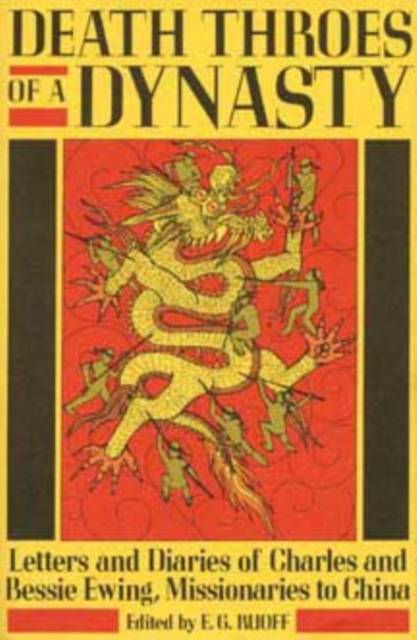
Death Throes of a Dynasty
Letters and Diaries of Charles and Bessie Ewing, Missionaries to China
The Kent State University Press
Hardcover | Engels
€ 48,95
+ 97 punten
Omschrijving
The letters of Charles and Bessie Ewing provide eyewitness accounts of the social upheaval and warfare that shook turn-of-the-century China. In addition to discussing their missionary activities in the villages of North China and their struggle to master the Chinese Mandarin dialect, the Ewings describe the impact of Western culture upon the social structure of Imperial China as they lived it. Ruoff sets the larger scene about which the Ewings wrote: The Sino-Japanese war, the extraterritorial treaties, the Boxer Uprising, the foreign military interventions, the belated effort to modernize by the Manchu dynasty, the struggle against opium addiction, the student political movement, and the beginning of the Chinese Revolution. We also learn about the last great empress of China, Tzu His, and the last emperor, the child Pu Yi. Through the Ewing correspondence and his own narrative, Ruoff shows the parallel between the attitude toward the Chinese held by the foreign community in the 1890s and the equally restricted outlook the Chinese held of their land and themselves. But just as the views held by the young Congregationalist minister Ewing change during his nearly two decades of service in China, so also the views of the Chinese themselves undergo vast changes. This book then is both a compelling history of a period in modern China and the story of an American family living that history.
Specificaties
Betrokkenen
- Auteur(s):
- Uitgeverij:
Inhoud
- Aantal bladzijden:
- 286
- Taal:
- Engels
Eigenschappen
- Productcode (EAN):
- 9780873384148
- Verschijningsdatum:
- 1/11/1990
- Uitvoering:
- Hardcover
- Formaat:
- Genaaid
- Afmetingen:
- 160 mm x 236 mm
- Gewicht:
- 639 g


Alleen bij Standaard Boekhandel
+ 97 punten op je klantenkaart van Standaard Boekhandel
Cadeau

AANGERADEN


Beoordelingen
We publiceren alleen reviews die voldoen aan de voorwaarden voor reviews. Bekijk onze voorwaarden voor reviews.