


- Afhalen na 1 uur in een winkel met voorraad
- Gratis thuislevering in België vanaf € 30
- Ruim aanbod met 7 miljoen producten
- Afhalen na 1 uur in een winkel met voorraad
- Gratis thuislevering in België vanaf € 30
- Ruim aanbod met 7 miljoen producten





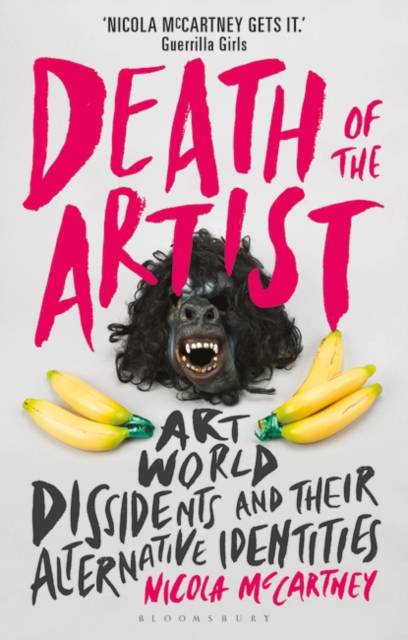
Death of the Artist
Art World Dissidents and Their Alternative Identities
Nicola McCartney
Paperback | Engels
€ 31,45
+ 62 punten
Uitvoering
Omschrijving
There exists a series of contemporary artists who continually defy the traditional role of the artist/author, including Art & Language, Guerrilla Girls, Bob and Roberta Smith, Marvin Gaye Chetwynd and Lucky PDF. In Death of the Artist, Nicola McCartney explores their work and uses previously unpublished interviews to provoke a vital and nuanced discussion about contemporary artistic authorship. How do emerging artists navigate intellectual property or work collectively and share the recognition? How might a pseudonym aid 'artivism'? Most strikingly, she demonstrates how an alternative identity can challenge the art market and is symptomatic of greater cultural and political rebellion. As such, this book exposes the art world's financially incentivised infrastructures, but also examines how they might be reshaped from within. In an age of cuts to arts funding and forced self-promotion, this offers an important analysis of the pressing need for the artistic community to construct new ways to reinvent itself and incite fresh responses to its work.
Specificaties
Betrokkenen
- Auteur(s):
- Uitgeverij:
Inhoud
- Aantal bladzijden:
- 312
- Taal:
- Engels
Eigenschappen
- Productcode (EAN):
- 9781501360558
- Verschijningsdatum:
- 17/10/2024
- Uitvoering:
- Paperback
- Formaat:
- Trade paperback (VS)
- Afmetingen:
- 140 mm x 217 mm
- Gewicht:
- 399 g


Alleen bij Standaard Boekhandel
+ 62 punten op je klantenkaart van Standaard Boekhandel
Cadeau

AANGERADEN


Beoordelingen
We publiceren alleen reviews die voldoen aan de voorwaarden voor reviews. Bekijk onze voorwaarden voor reviews.