


- Afhalen na 1 uur in een winkel met voorraad
- Gratis thuislevering in België vanaf € 30
- Ruim aanbod met 7 miljoen producten
- Afhalen na 1 uur in een winkel met voorraad
- Gratis thuislevering in België vanaf € 30
- Ruim aanbod met 7 miljoen producten





€ 195,95
+ 391 punten
Eenvoudig bestellen
Veilig betalen


Gratis thuislevering vanaf € 30 (via bpost)
Gratis levering in je Standaard Boekhandel
Omschrijving
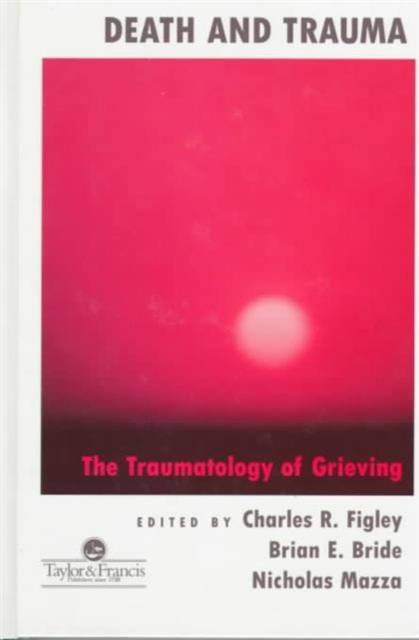
First published in 1997. Although the fields of thanatology and traumatology have received robust attention during their parallel development, little effort has been made to address their overlapping territory. This volume is the first attempt to do so. Specifically, the purpose of this book is fourfold. First is to provide a theoretical bridge between the two fields by providing conceptual terminology, such as defining normal versus dysfunctional bereavement and the meaning and range of death-related PTSD. The second confirms and illustrates the identical patterns of reactions between those who survive the death of a loved one and those who survive other traumatic events. Next the book applies the most useful theoretical models to the bereavement experience, and in turn acknowledges the utility of generalizing bereavement models to other traumatic experiences; in doing so, the two fields can enrich each other. Similarly, the volume's final purpose is to identify and apply the most useful and effective approaches in traumatology literature to the study, diagnosis and treatment of traumatic stressors other than death.
Specificaties
Betrokkenen
- Uitgeverij:
Inhoud
- Aantal bladzijden:
- 250
- Taal:
- Engels
- Reeks:
Eigenschappen
- Productcode (EAN):
- 9781560325253
- Verschijningsdatum:
- 1/04/1997
- Uitvoering:
- Hardcover
- Formaat:
- Genaaid
- Afmetingen:
- 172 mm x 220 mm
- Gewicht:
- 589 g

Alleen bij Standaard Boekhandel
+ 391 punten op je klantenkaart van Standaard Boekhandel
CADEAU

AANGERADEN


Beoordelingen
We publiceren alleen reviews die voldoen aan de voorwaarden voor reviews. Bekijk onze voorwaarden voor reviews.