


- Afhalen na 1 uur in een winkel met voorraad
- Gratis thuislevering in België vanaf € 30
- Ruim aanbod met 7 miljoen producten
- Afhalen na 1 uur in een winkel met voorraad
- Gratis thuislevering in België vanaf € 30
- Ruim aanbod met 7 miljoen producten





€ 60,95
+ 121 punten
Omschrijving
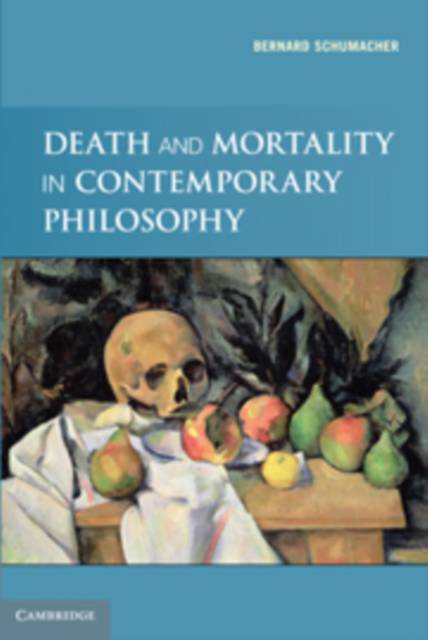
This book contributes to current bioethical debates by providing a critical analysis of the philosophy of human death. Bernard N. Schumacher discusses contemporary philosophical perspectives on death, creating a dialogue between phenomenology, existentialism, and analytic philosophy. He also examines the ancient philosophies that have shaped our current ideas about death. His analysis focuses on three fundamental problems: (1) the definition of human death, (2) the knowledge of mortality and of human death as such, and (3) the question of whether death is "nothing" to us or, on the contrary, whether it can be regarded as an absolute or relative evil. Drawing on scholarship published in four languages and from three distinct currents of thought, this volume represents a comprehensive and systematic study of the philosophy of death, one that provides a provocative basis for discussions of the bioethics of human mortality.
Specificaties
Betrokkenen
- Auteur(s):
- Vertaler(s):
- Uitgeverij:
Inhoud
- Aantal bladzijden:
- 270
- Taal:
- Engels
Eigenschappen
- Productcode (EAN):
- 9780521171199
- Verschijningsdatum:
- 30/09/2010
- Uitvoering:
- Paperback
- Formaat:
- Trade paperback (VS)
- Afmetingen:
- 152 mm x 224 mm
- Gewicht:
- 362 g


Alleen bij Standaard Boekhandel
+ 121 punten op je klantenkaart van Standaard Boekhandel
Cadeau

AANGERADEN


Beoordelingen
We publiceren alleen reviews die voldoen aan de voorwaarden voor reviews. Bekijk onze voorwaarden voor reviews.