


- Afhalen na 1 uur in een winkel met voorraad
- Gratis thuislevering in België vanaf € 30
- Ruim aanbod met 7 miljoen producten
- Afhalen na 1 uur in een winkel met voorraad
- Gratis thuislevering in België vanaf € 30
- Ruim aanbod met 7 miljoen producten





€ 159,95
+ 319 punten
Uitvoering
Omschrijving
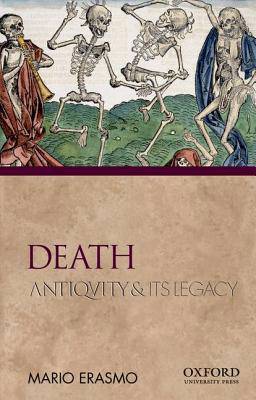
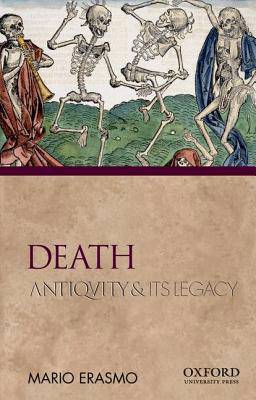
Personal and yet universal, inevitable and unknowable, death has been a dominant theme in all cultures since earliest times. Remarkably, across the span of several millennia and despite the myriad of cultural profusions since antiquity, we can recognize in the customs of ancient Greece and Rome ceremonies and rituals that have lasting resonance today in both the East and West. For example, preparing the corpse of the deceased, holding a memorial service, the practice of cremation and of burial in "resting places" are all processes that can trace their origin to ancient practices. Such rites--described by Cicero and Herodotus, among others--have defined traditional modern funerals. Yet of late there has been a shift away from classical ritual and somber memorialization as the dead are transformed into spectacles. Impromptu roadside shrines, "virtual" memorials, the embalmment of the deceased in the attitude of daily activity, and even firework displays have come to the fore as new modes of marking, even celebrating, bereavement. What is causing this change, and how do urbanization, economic factors, and the rise of individualism play a part? Mario Erasmo creatively explicates and explores the nexus between classical and contemporary approaches to death and interment. From theme funerals in St. Louis to Etruscan sarcophagi, he offers a rich and insightful discussion of the end of life across the ages.
Specificaties
Betrokkenen
- Auteur(s):
- Uitgeverij:
Inhoud
- Aantal bladzijden:
- 196
- Taal:
- Engels
- Reeks:
Eigenschappen
- Productcode (EAN):
- 9780195380972
- Verschijningsdatum:
- 1/05/2012
- Uitvoering:
- Hardcover
- Formaat:
- Genaaid
- Afmetingen:
- 140 mm x 218 mm
- Gewicht:
- 385 g


Alleen bij Standaard Boekhandel
+ 319 punten op je klantenkaart van Standaard Boekhandel
Cadeau

AANGERADEN


Beoordelingen
We publiceren alleen reviews die voldoen aan de voorwaarden voor reviews. Bekijk onze voorwaarden voor reviews.